




Grey biotechnology is the branch of biotechnology focused on environmental applications. It uses microorganisms, plants and biological systems to clean polluted soils, waters and air, restore damaged ecosystems and turn waste into useful resources.
Its relevance keeps growing because pollution, industrial pressure and resource depletion are making environmental restoration a technical priority. Grey biotechnology is valuable because it does not only reduce harm, it can also create productive and circular-economy outcomes from waste streams.
Grey biotechnology applies biology to environmental problems, helping clean, restore and recover value from damaged or polluted systems.
What is grey biotechnology?
Grey biotechnology, also called environmental biotechnology, is the branch of biotechnology dedicated to solving environmental problems through biological processes. In practice, that means using microorganisms, plants or biomolecules to degrade pollutants, restore ecosystems and reduce the environmental impact of human activity.
It is one of the clearest examples of biotechnology being used not only for production, but for repair. Instead of focusing mainly on medical therapies or industrial output, grey biotechnology focuses on ecological quality and environmental resilience.
Grey biotechnology is not only about removing contaminants, it is also about rebuilding environmental function.
Main applications of grey biotechnology
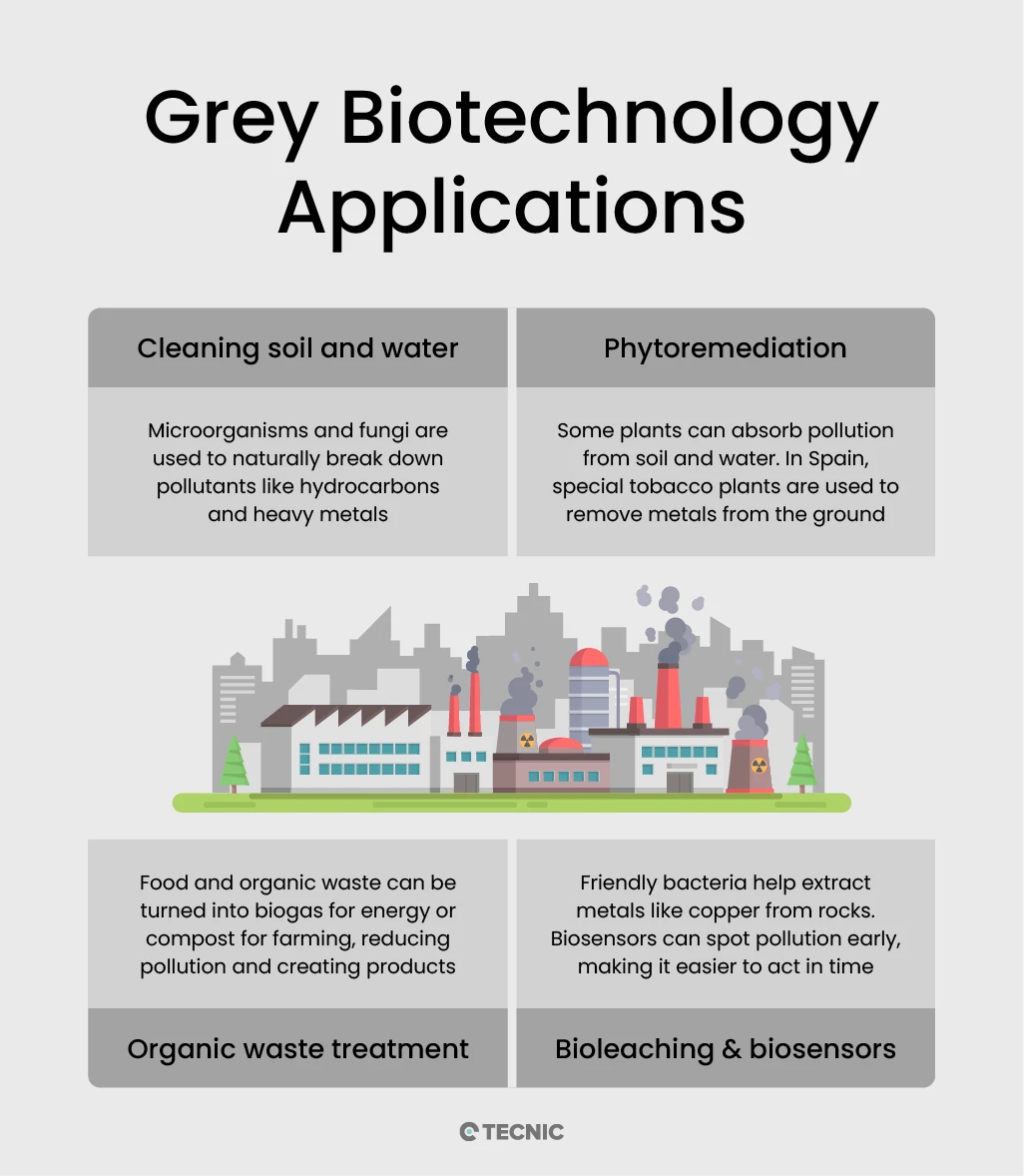
Grey biotechnology covers a broad range of environmental applications, especially where traditional chemical or mechanical methods are too aggressive, too expensive or not restorative enough.
Used to reduce hydrocarbons, pesticides, solvents and other pollutants in contaminated land.
Used to reduce pollutants in industrial effluents, wastewater and damaged aquatic systems.
Used in some contexts to reduce biological or chemical pollutants through biofiltration and related systems.
Used to transform organic residues into biogas, compost and other useful outputs.
Bioremediation and phytoremediation
Two of the most recognized approaches in grey biotechnology are bioremediation and phytoremediation. Both aim to reduce pollution through biology, but they do so in different ways.
Bioremediation
Uses microorganisms such as bacteria or fungi to degrade, transform or immobilize contaminants in soils and waters.
Phytoremediation
Uses plants to absorb, stabilize or transform pollutants, often helping regenerate contaminated land over time.
The best remediation route depends on the pollutant, the site conditions and the biological system that can respond most effectively.
Waste-to-resource processes in grey biotechnology
Grey biotechnology is not only about cleanup. It is also about recovering value from waste. This is one of the reasons it fits so well within sustainability and circular-economy strategies.
Main benefits and challenges of grey biotechnology
Grey biotechnology offers clear environmental value, but it also has real limitations that depend on site variability, regulation and scale-up complexity.
Helps damaged systems move toward recovery rather than only isolating the problem.
Can reduce dependence on harsher remediation methods in some applications.
What works in a pilot setting may be much harder to control across large contaminated areas.
Temperature, pH, oxygen and pollutant distribution can strongly affect biological performance.
Grey biotechnology is highly promising, but environmental systems are less predictable than closed industrial systems, so field success depends on adaptation as much as on biology.
How TECNIC fits this workflow
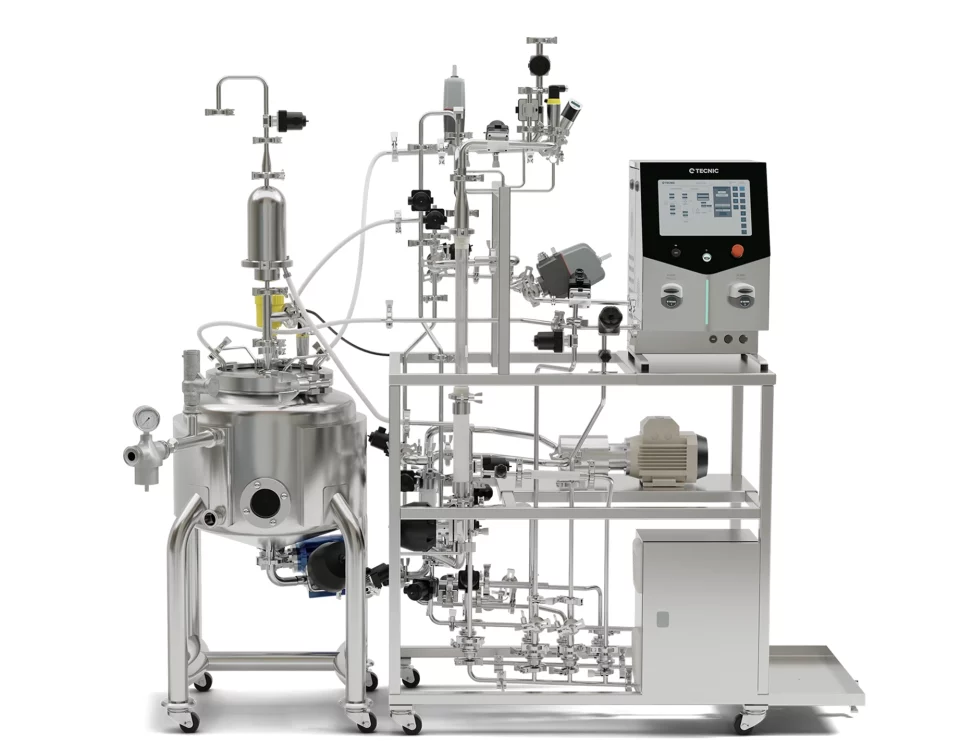
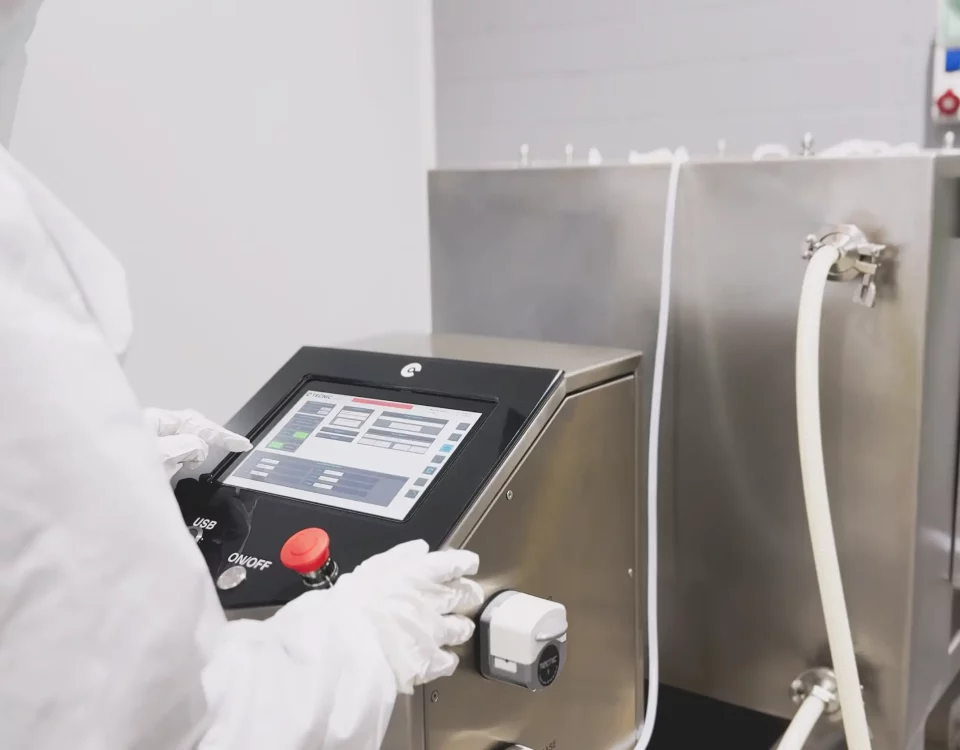
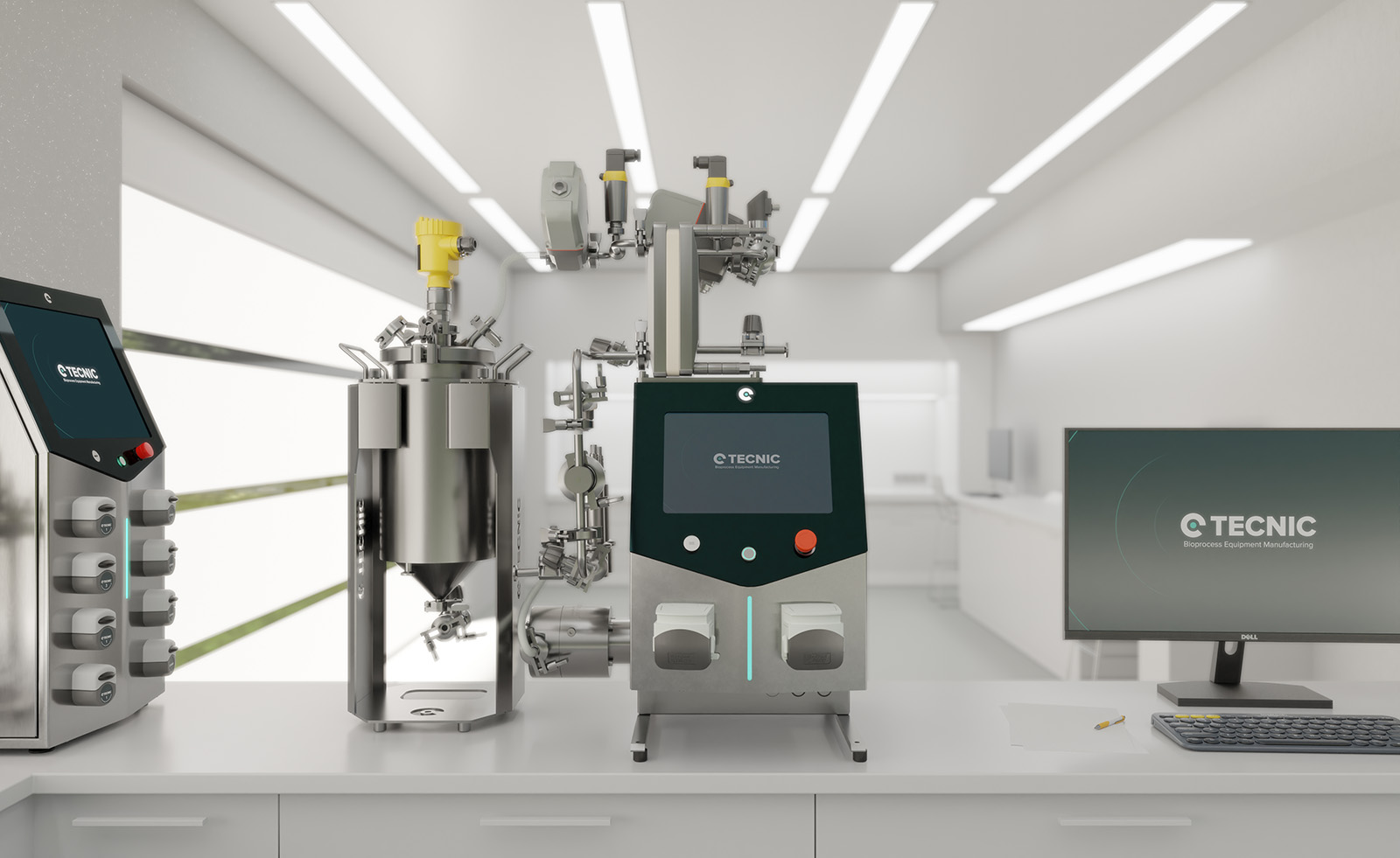
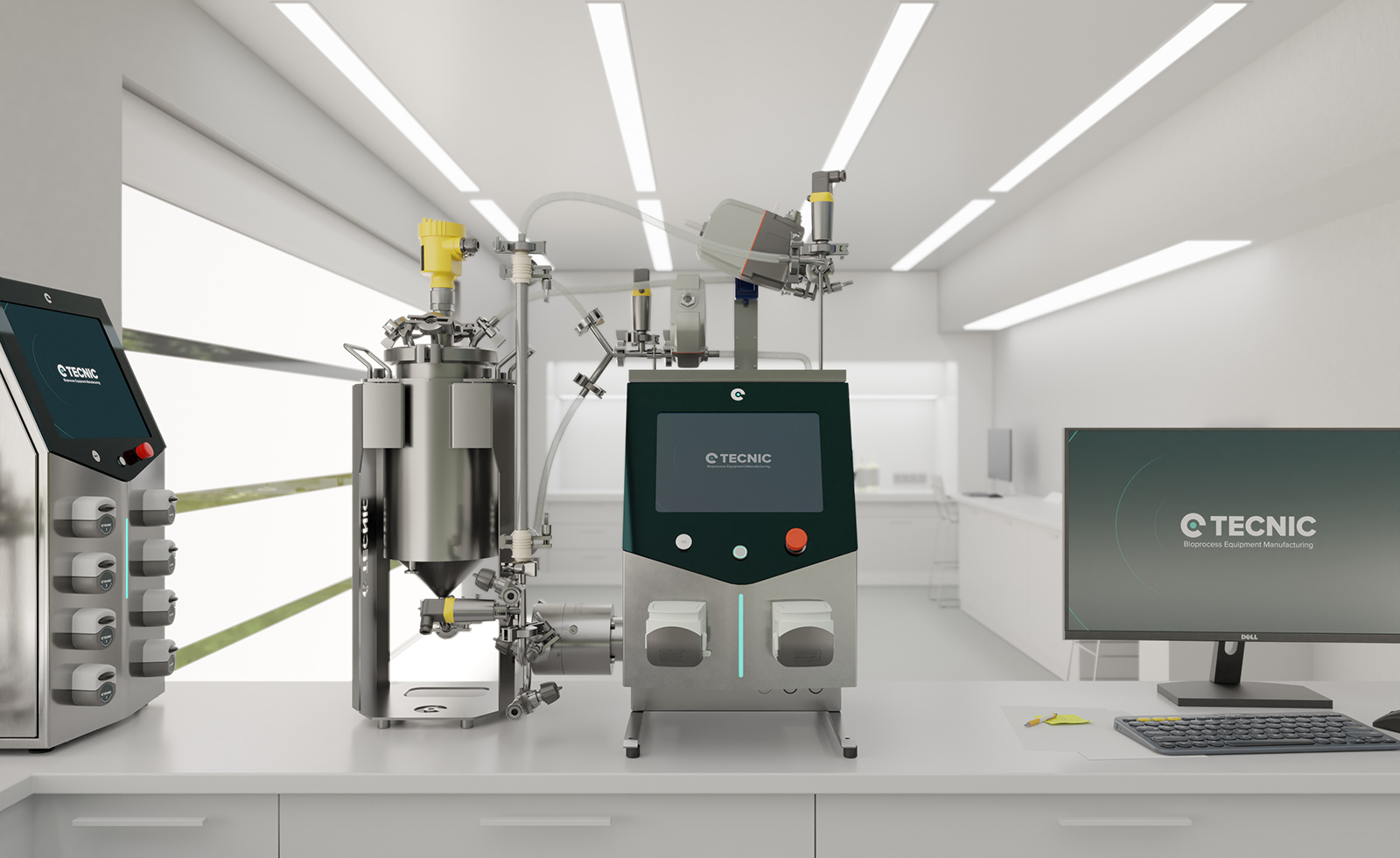
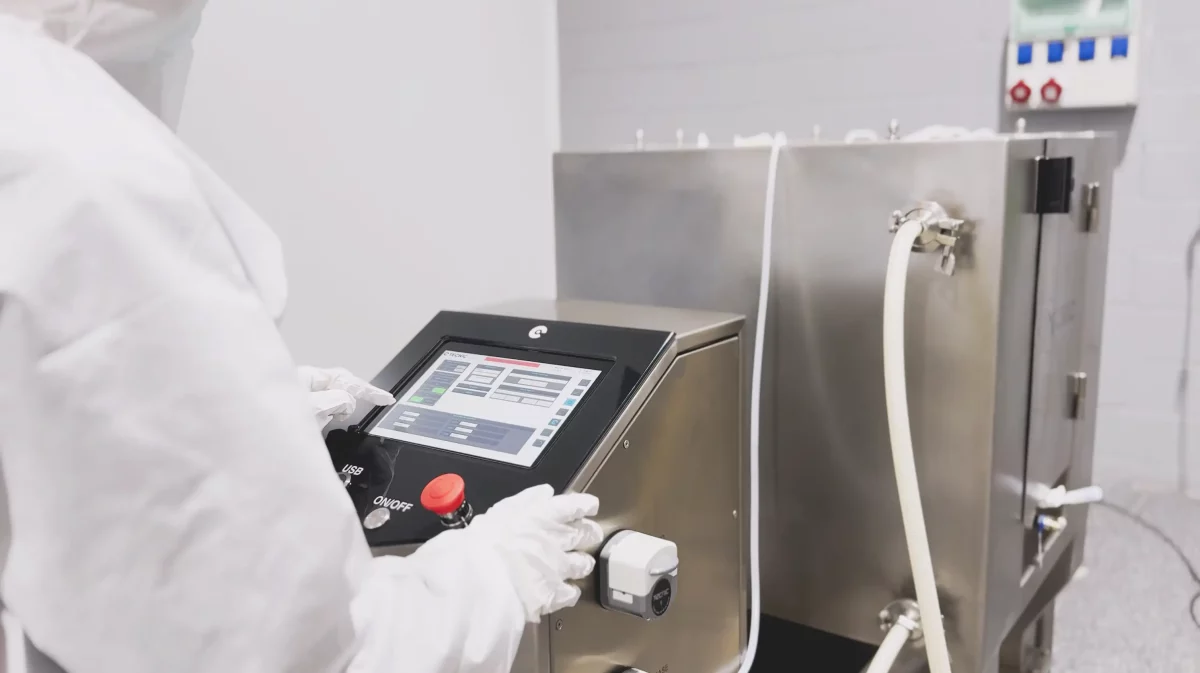
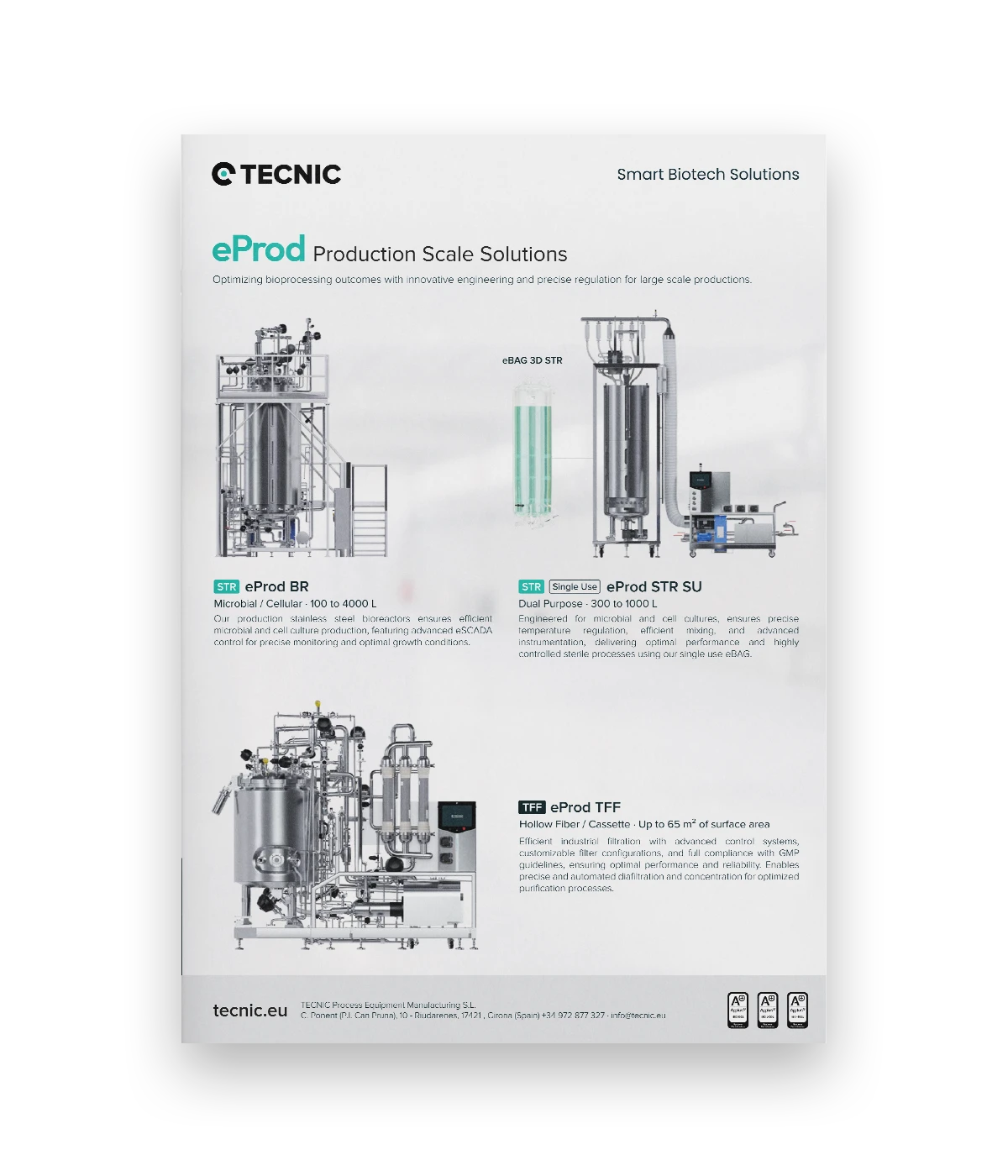
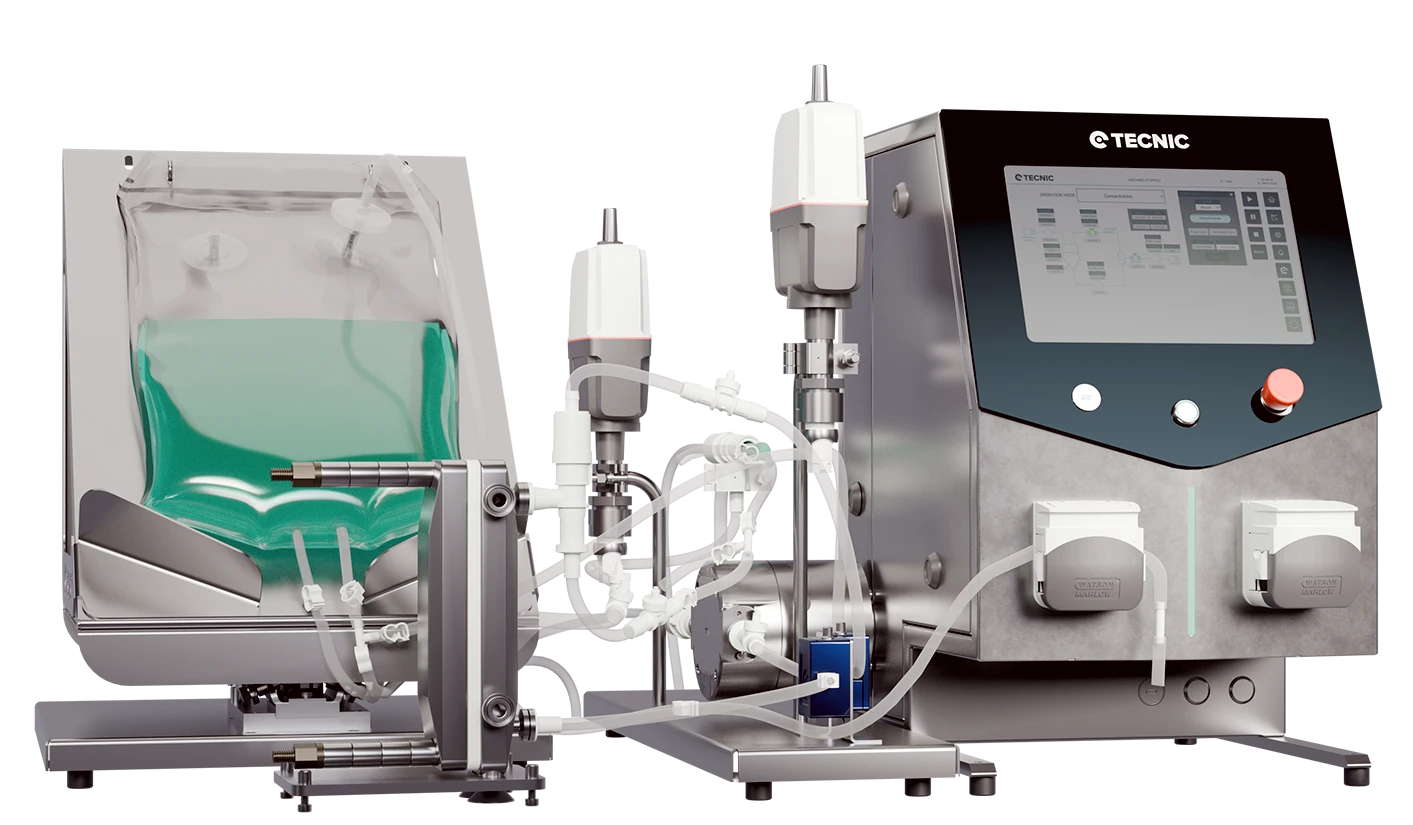
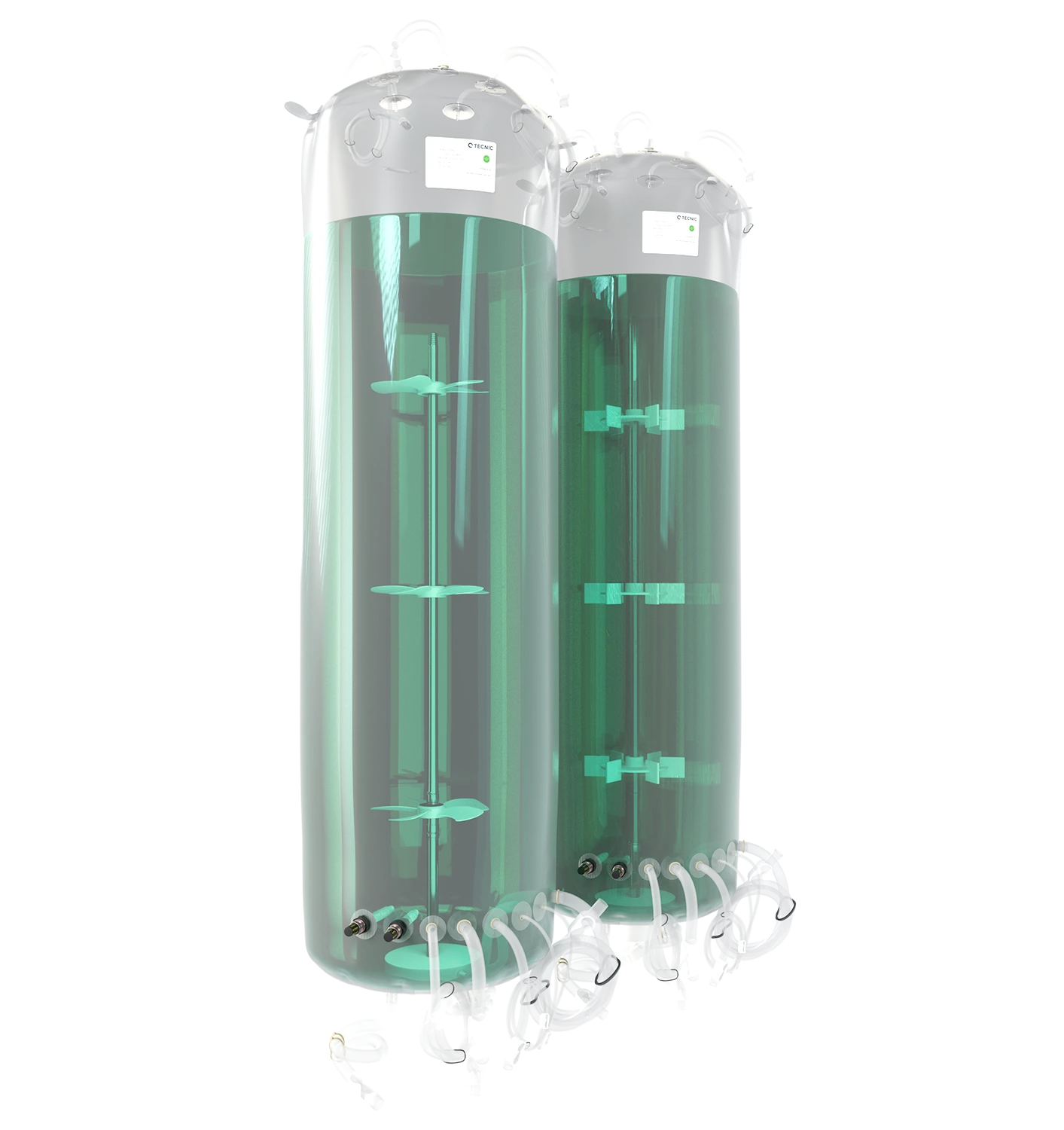
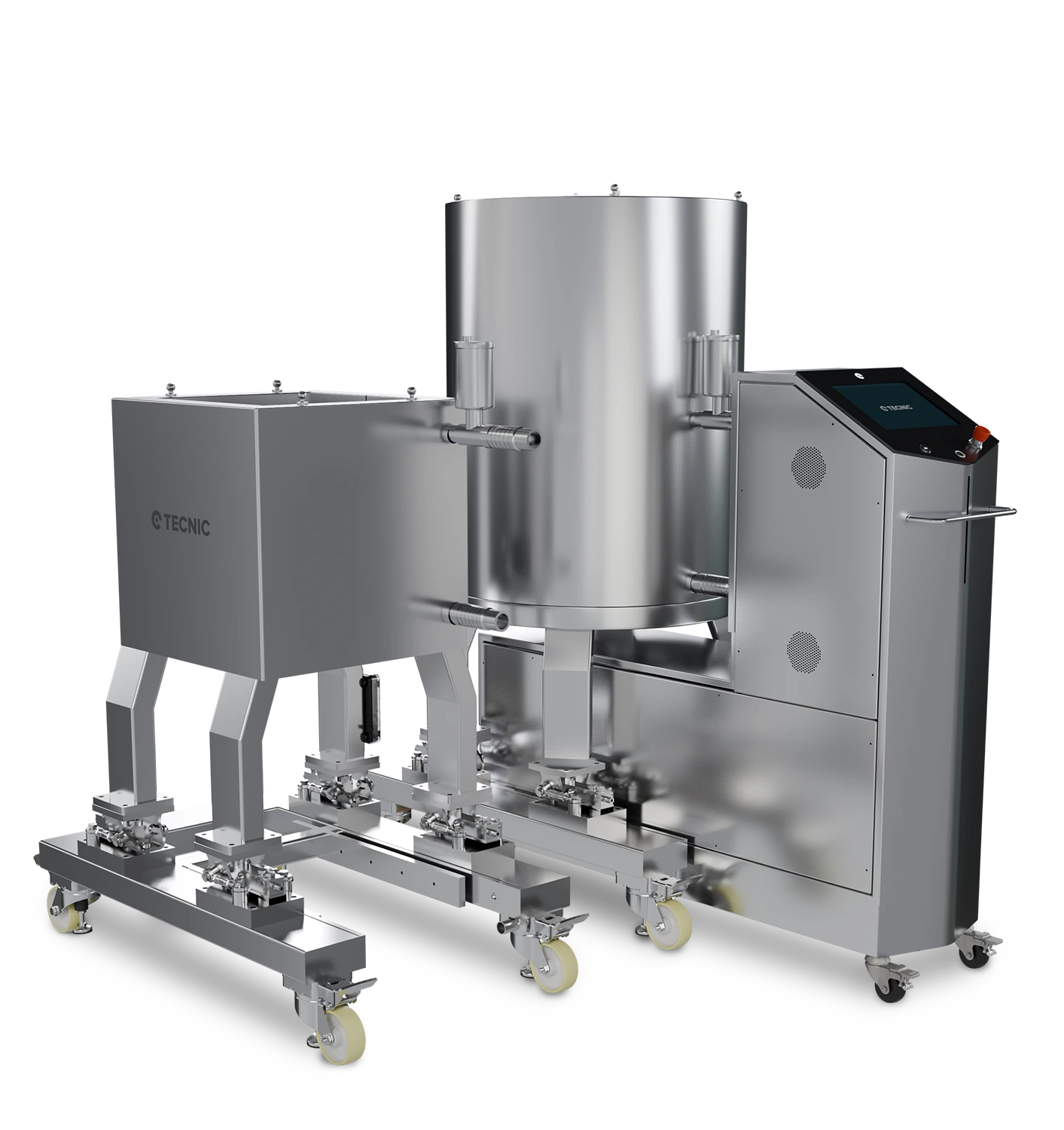
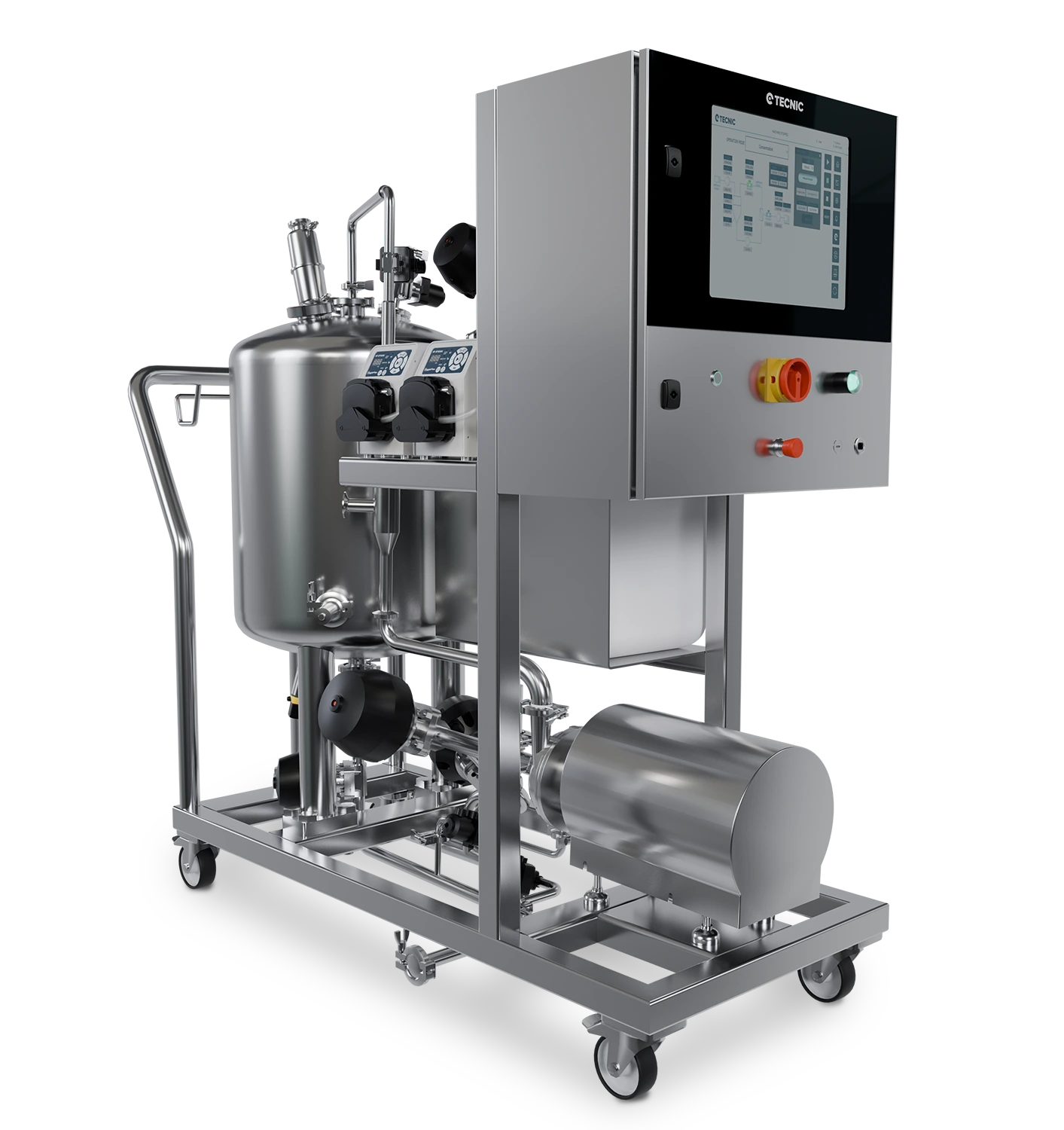
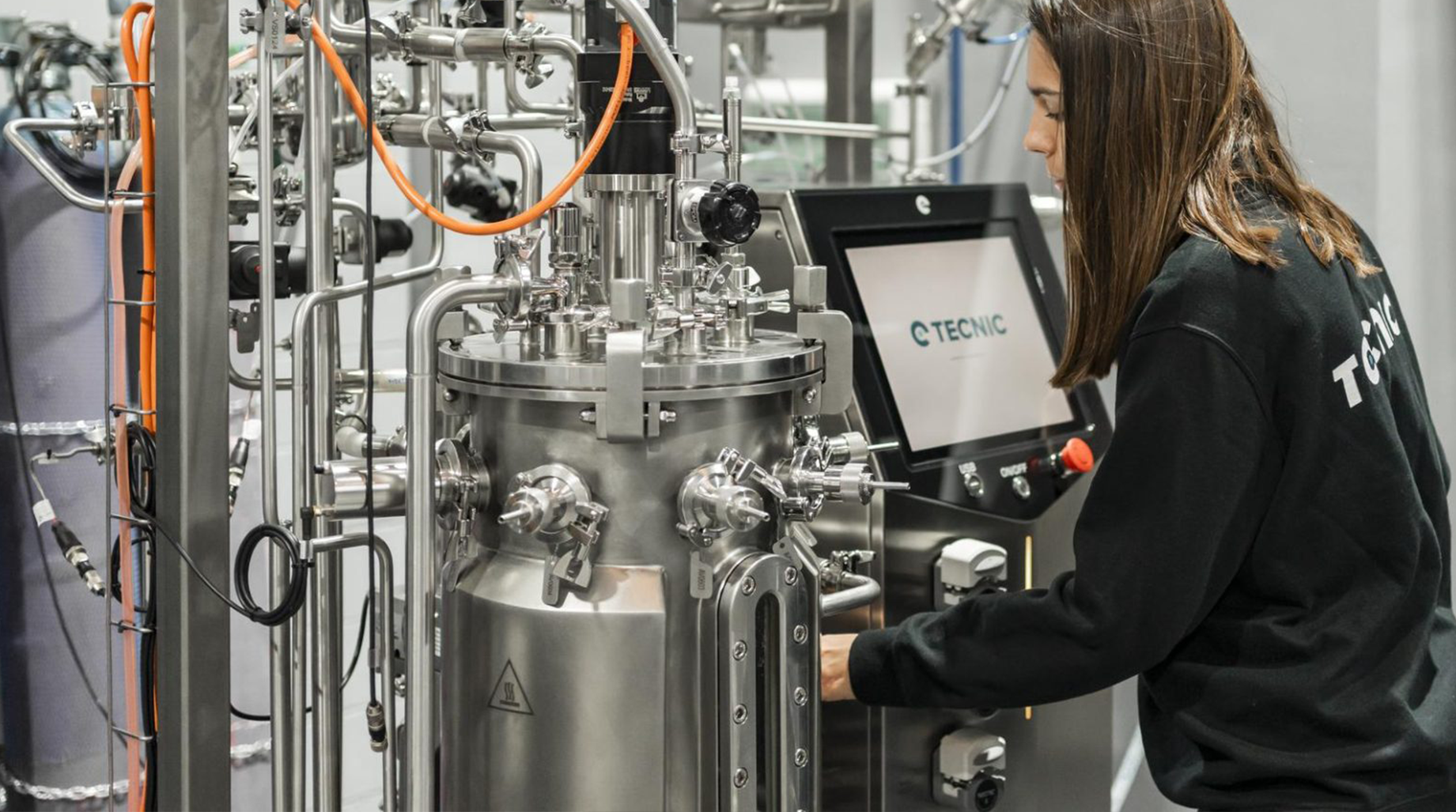
TECNIC fits this topic from the perspective of controlled bioprocess development. Even in environmental biotechnology, biological solutions usually need to be studied, validated and optimized under reproducible laboratory or pilot conditions before they can be applied more broadly.
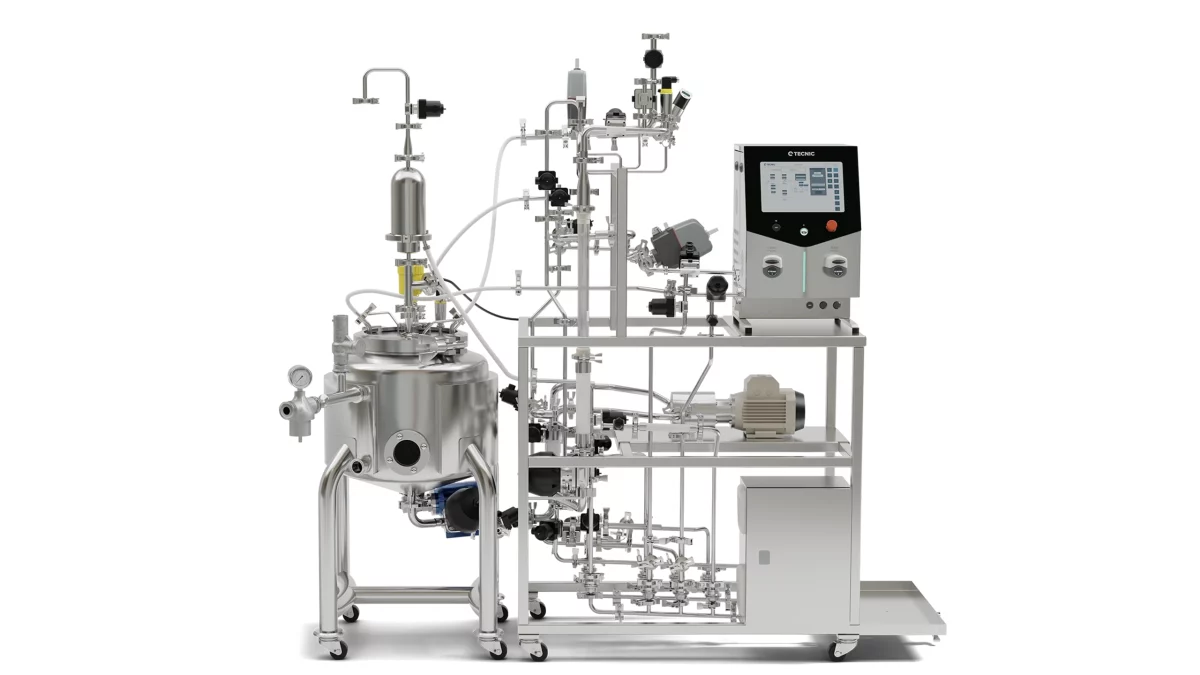
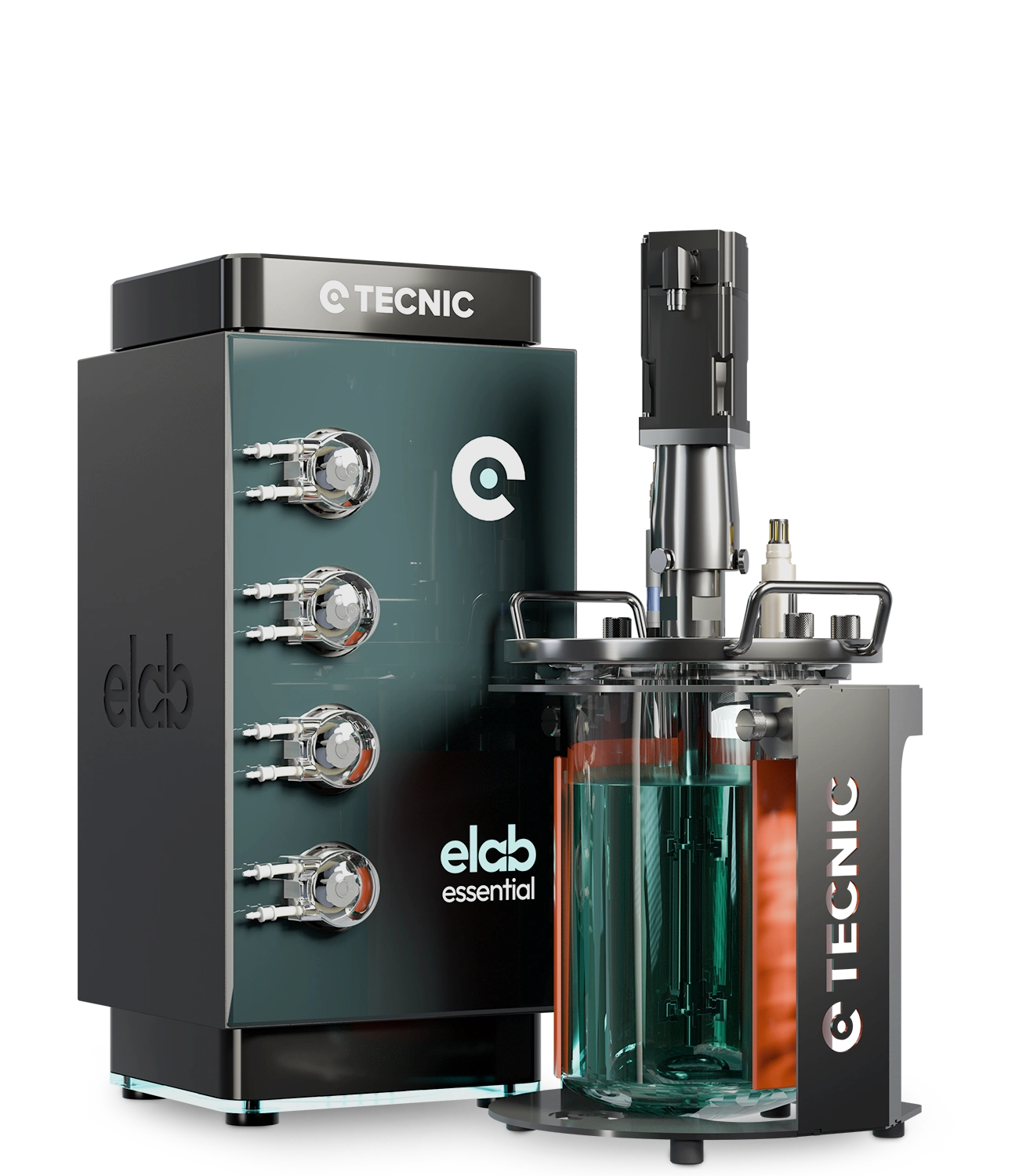
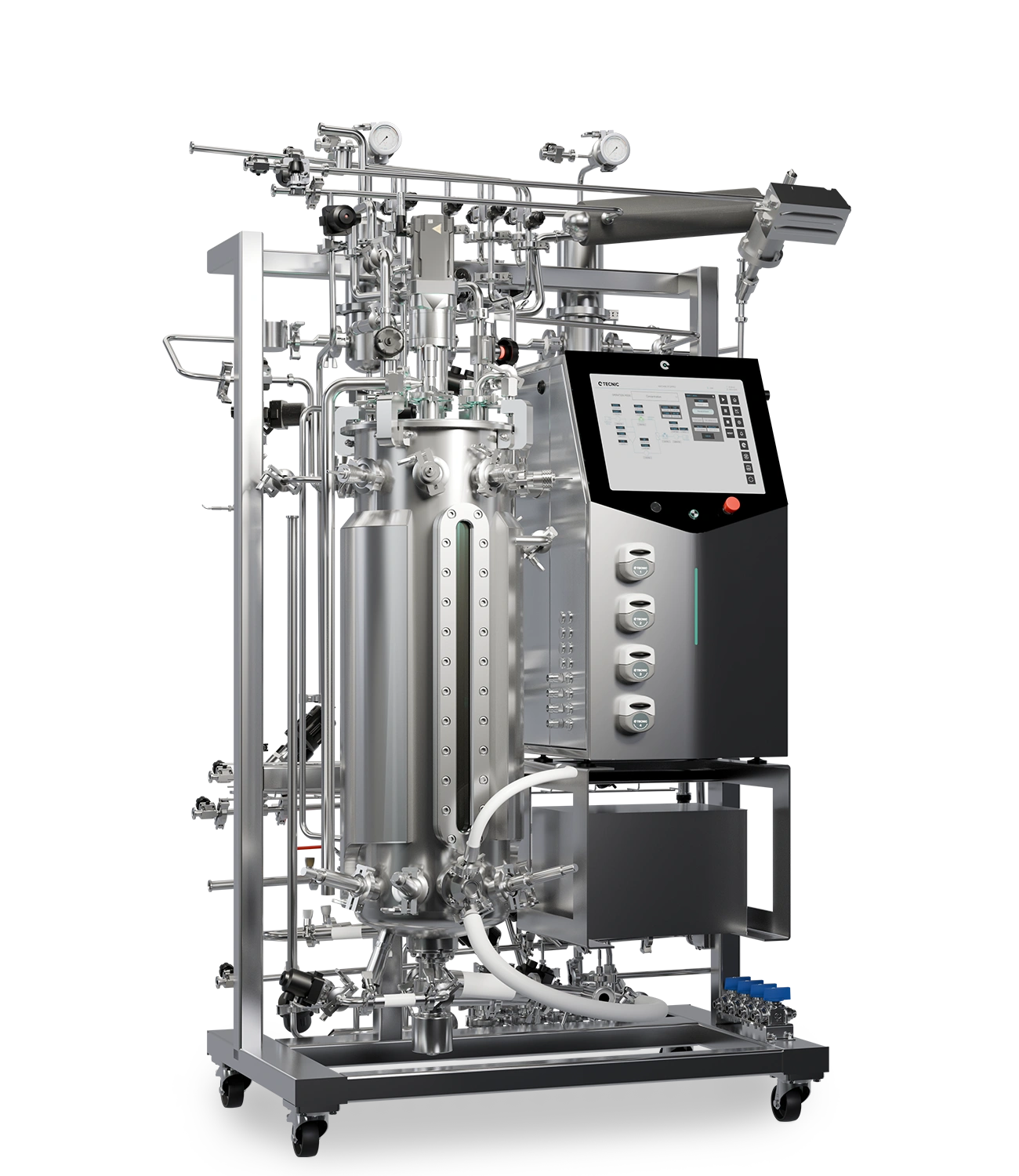
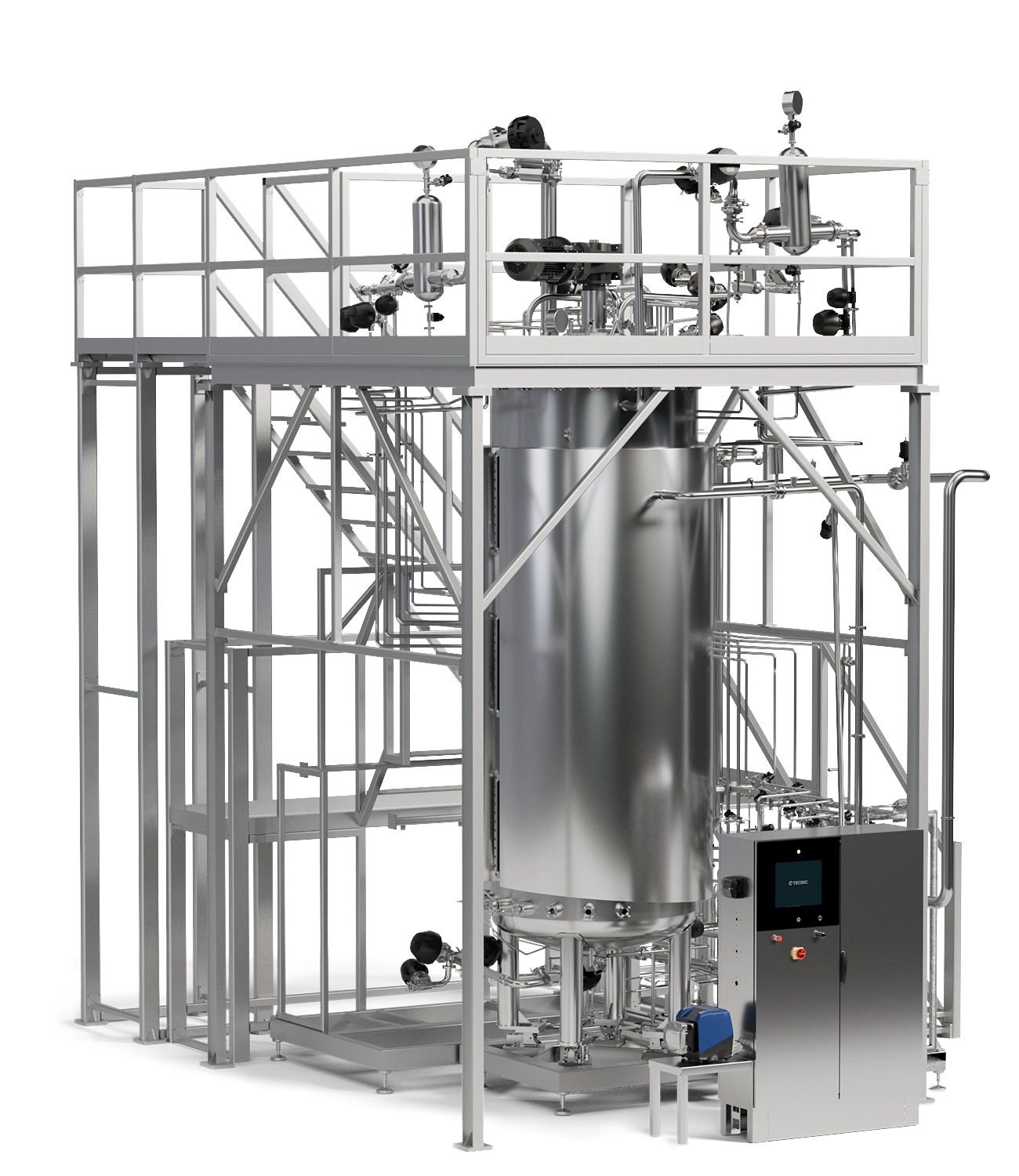
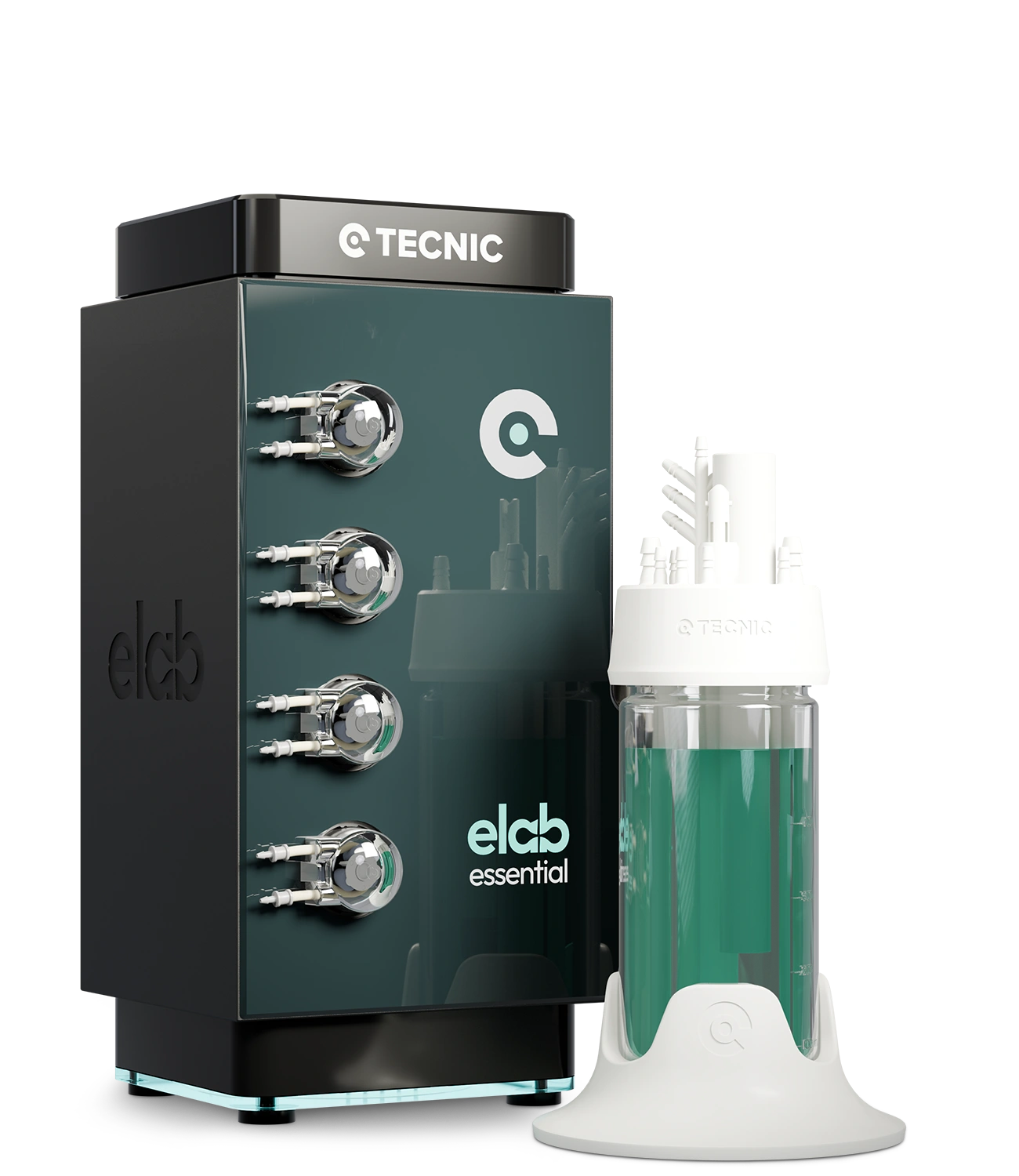
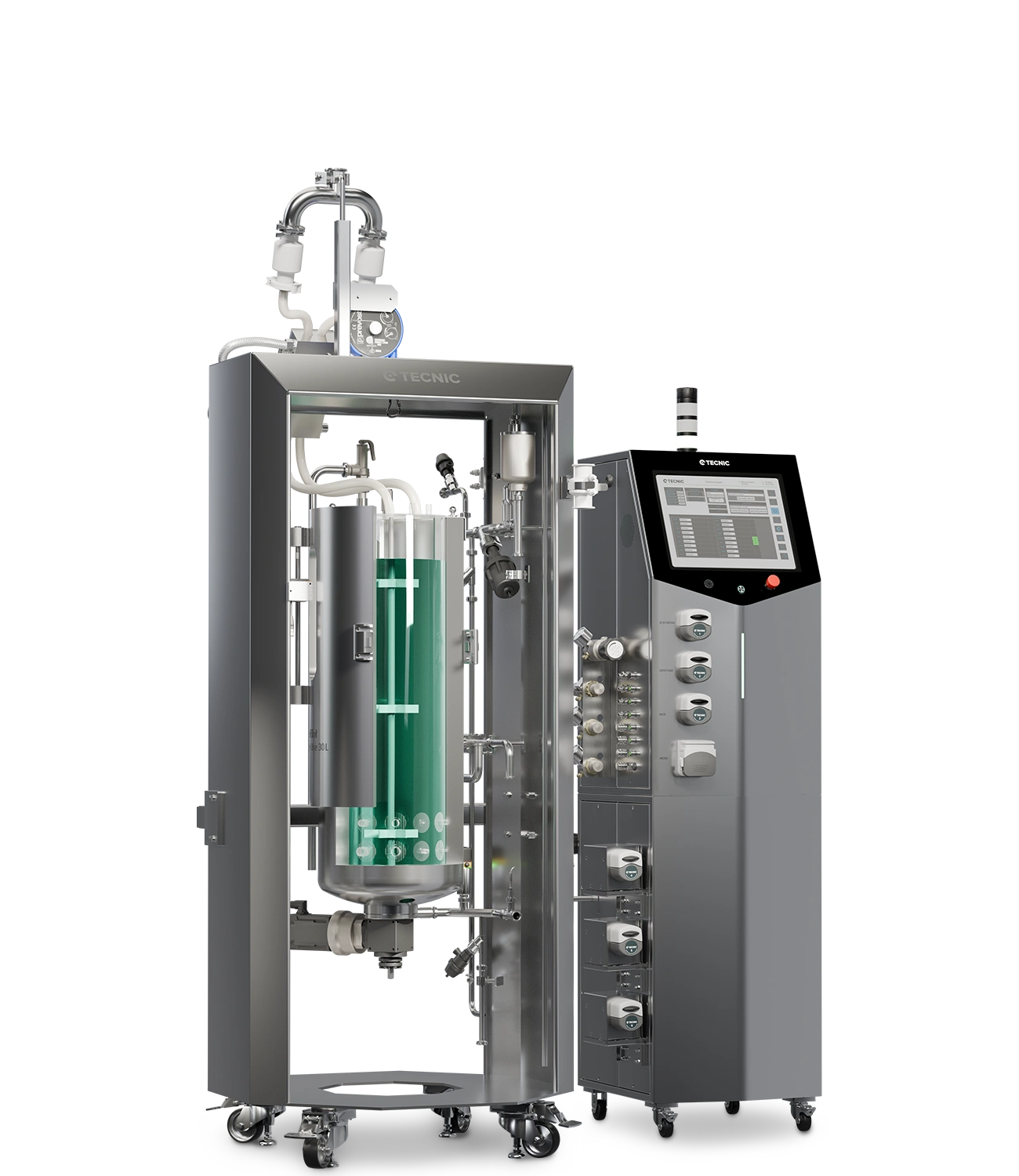
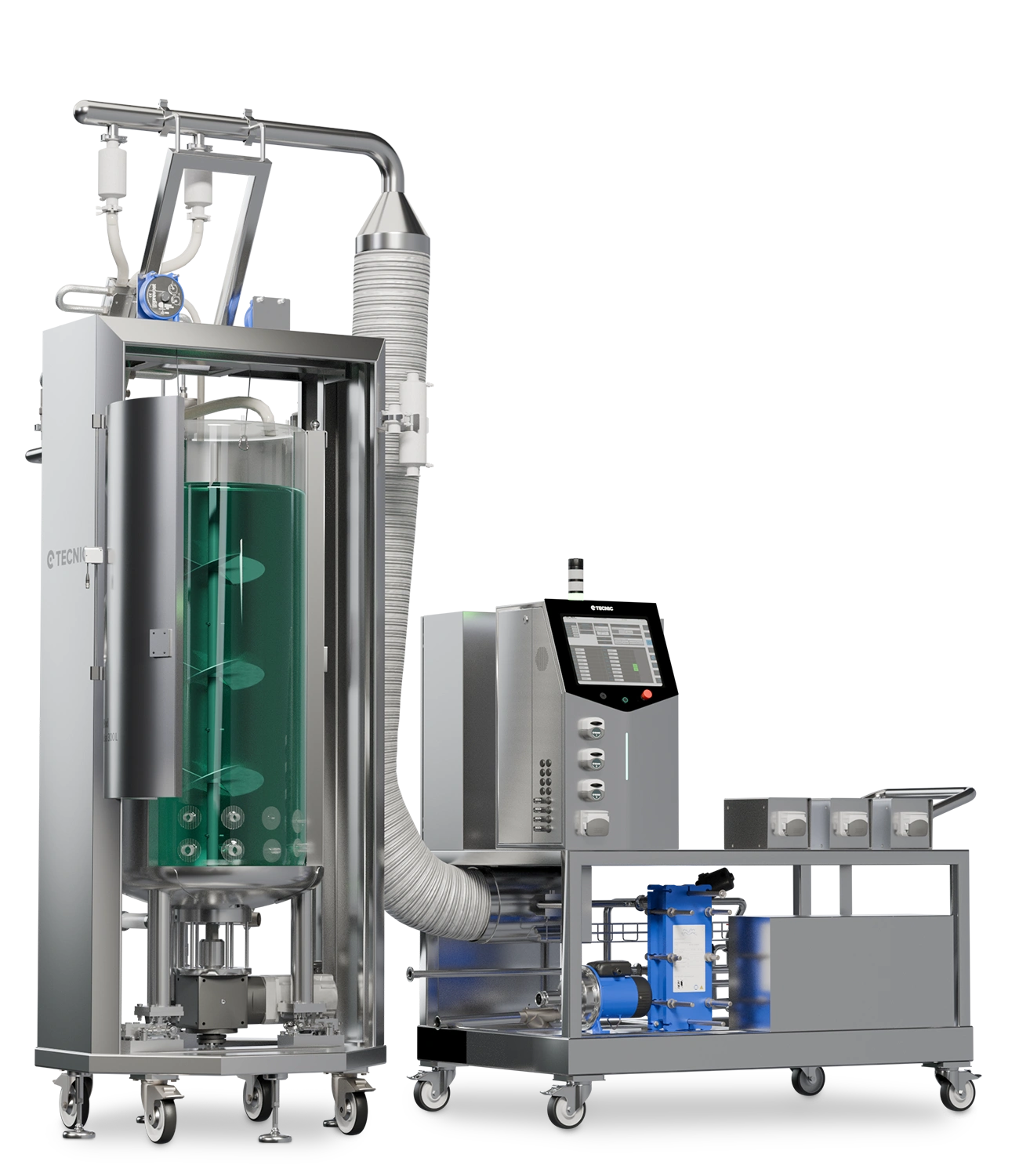
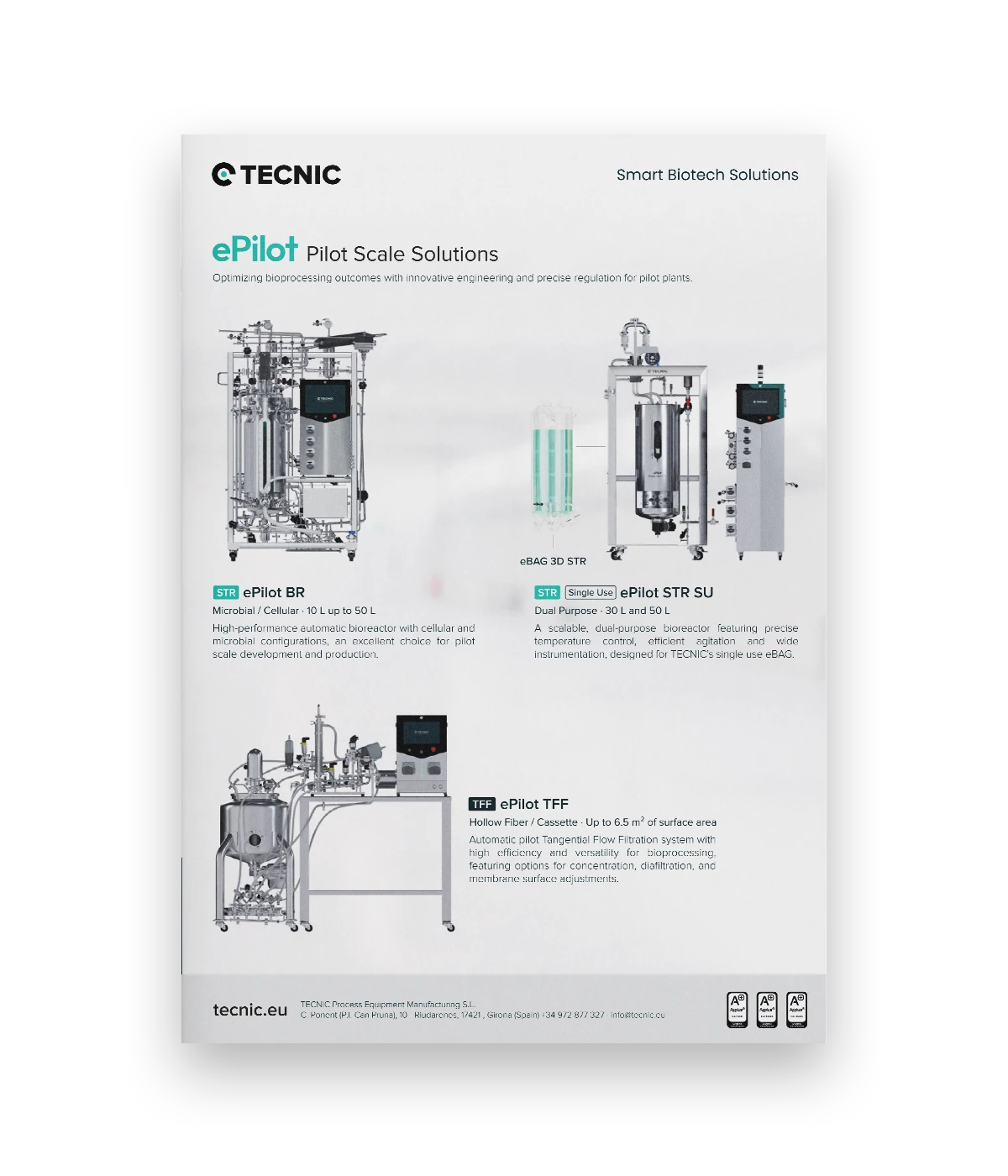
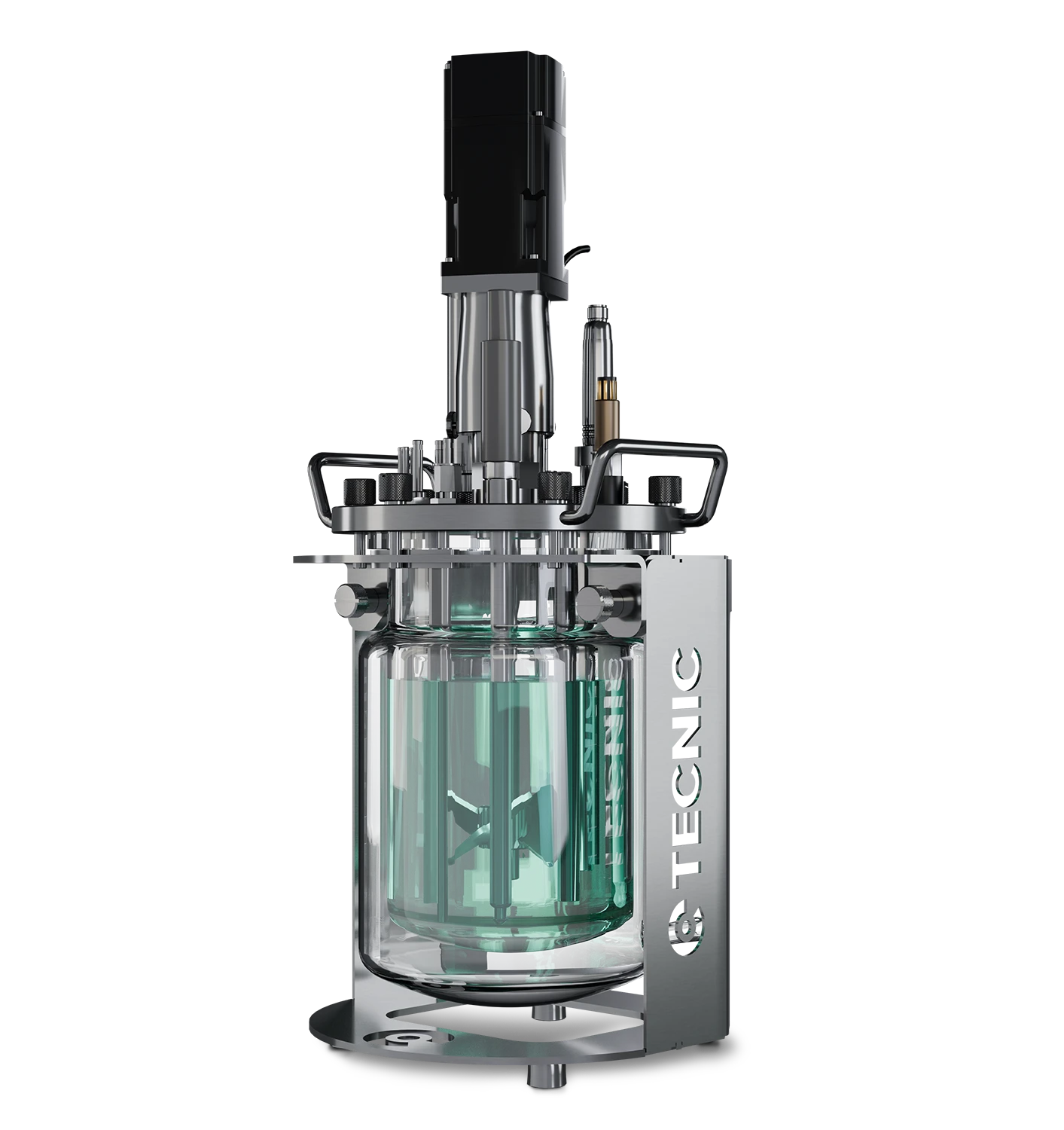
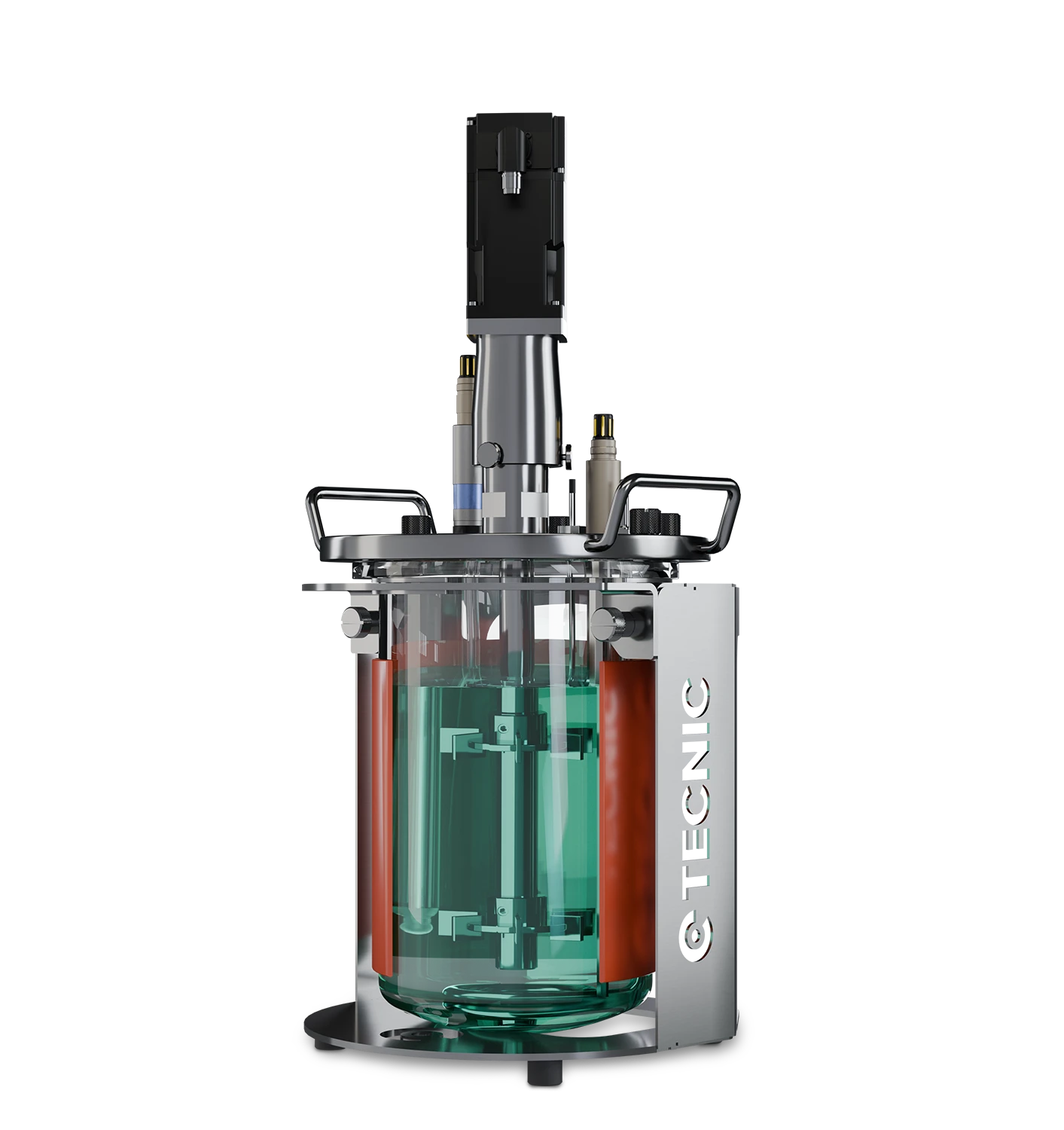
Bioreactors
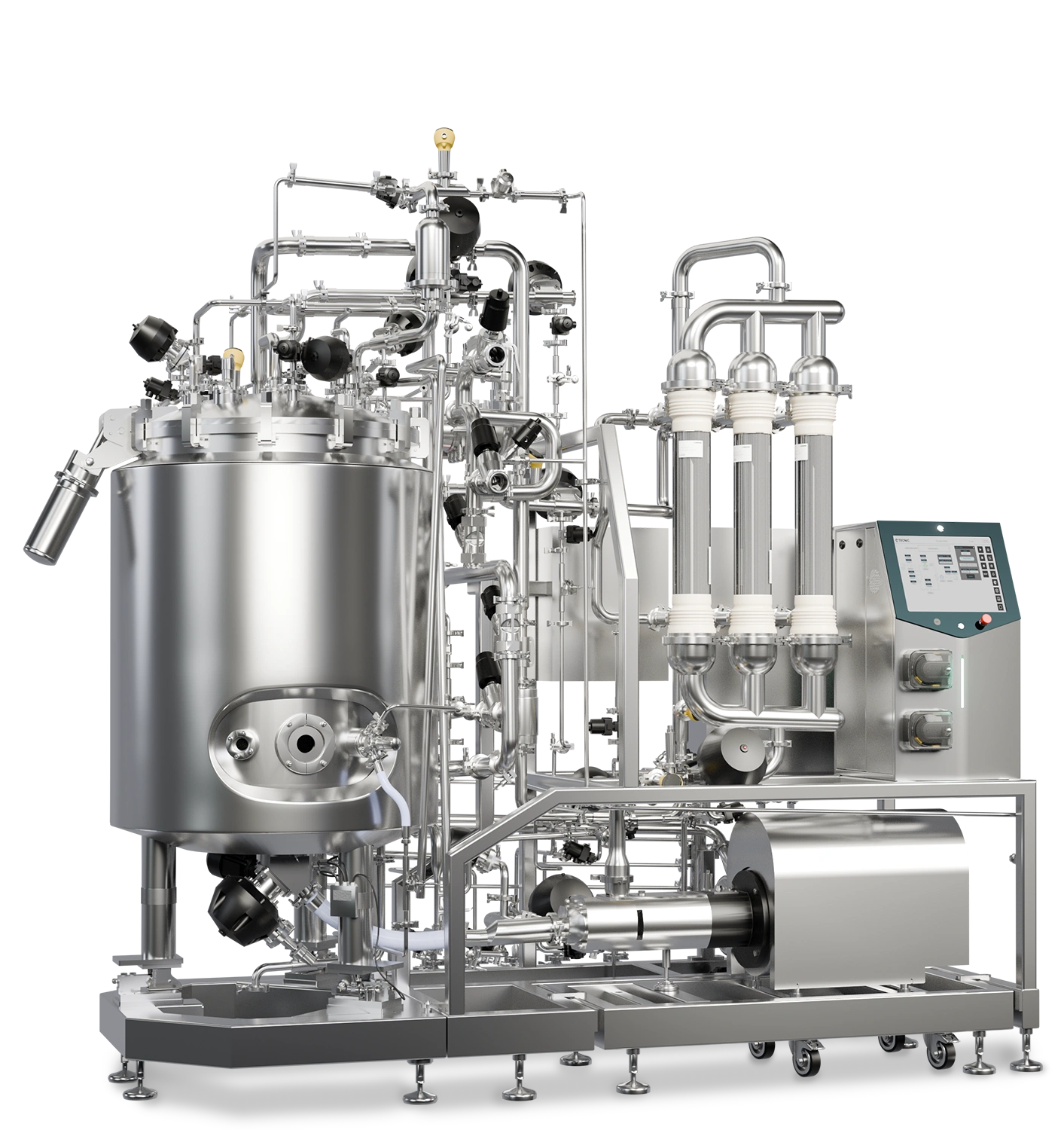
Relevant when microorganisms or biological systems need controlled development and scale-up before environmental application.
Laboratory equipment
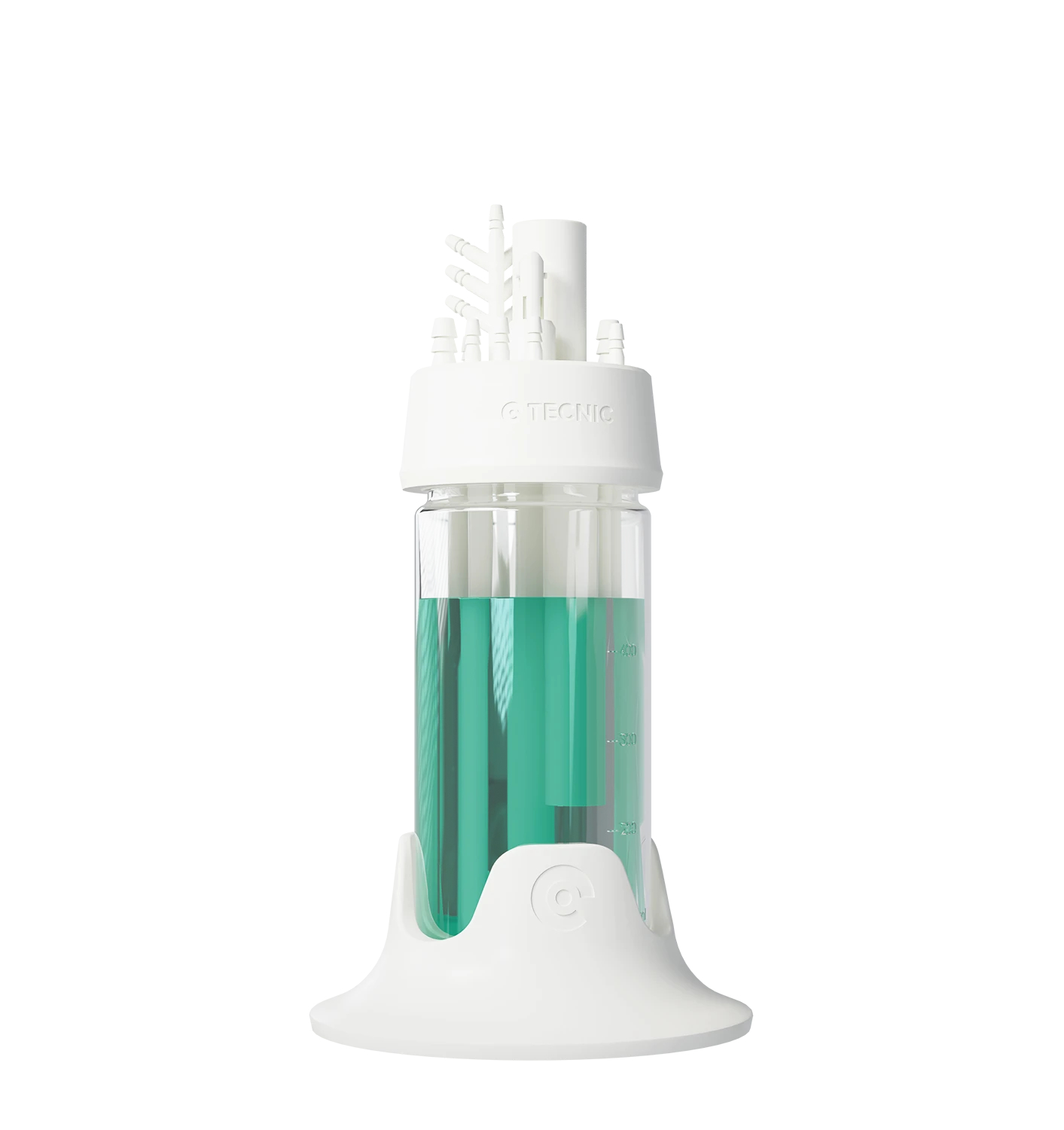
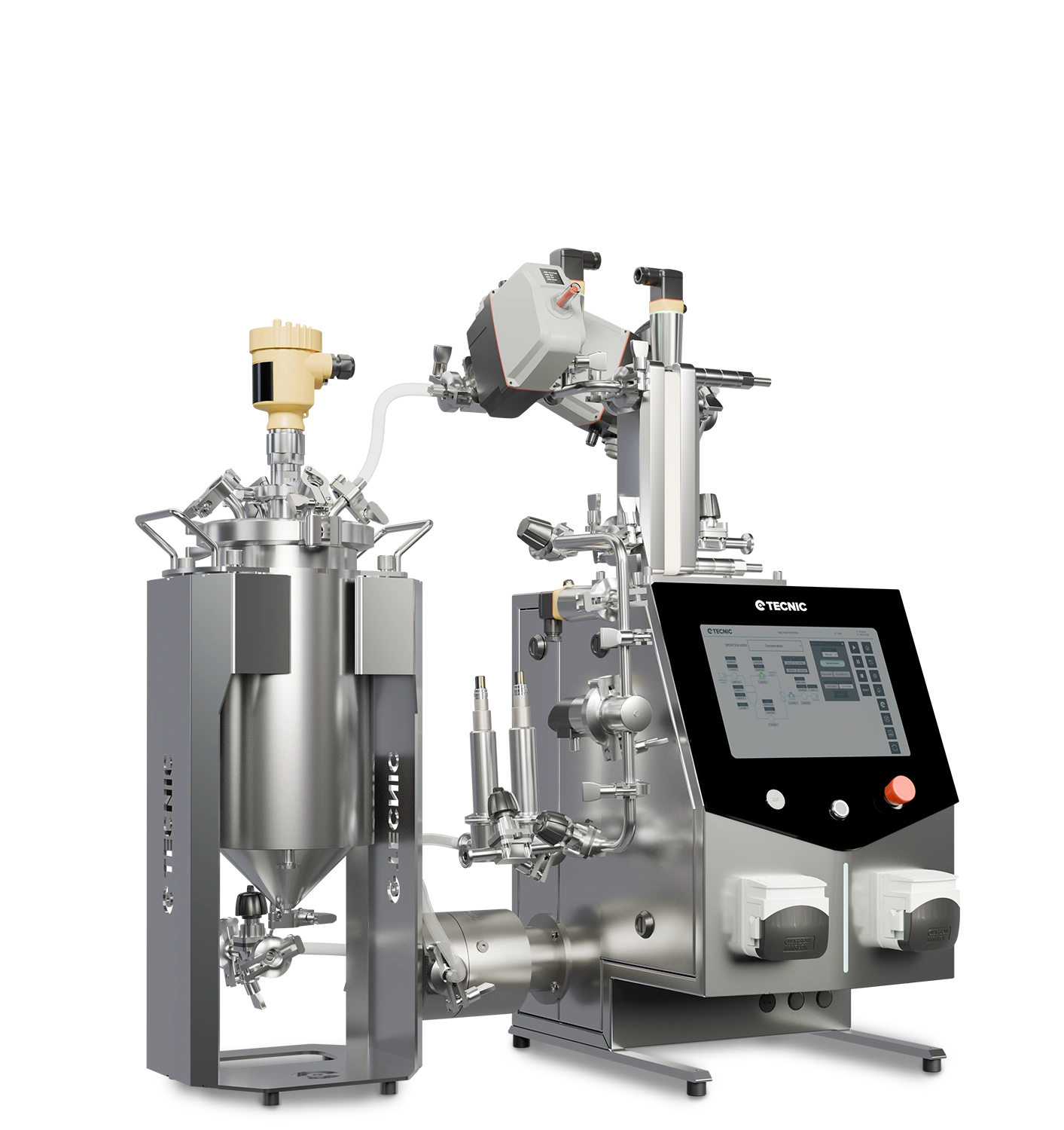
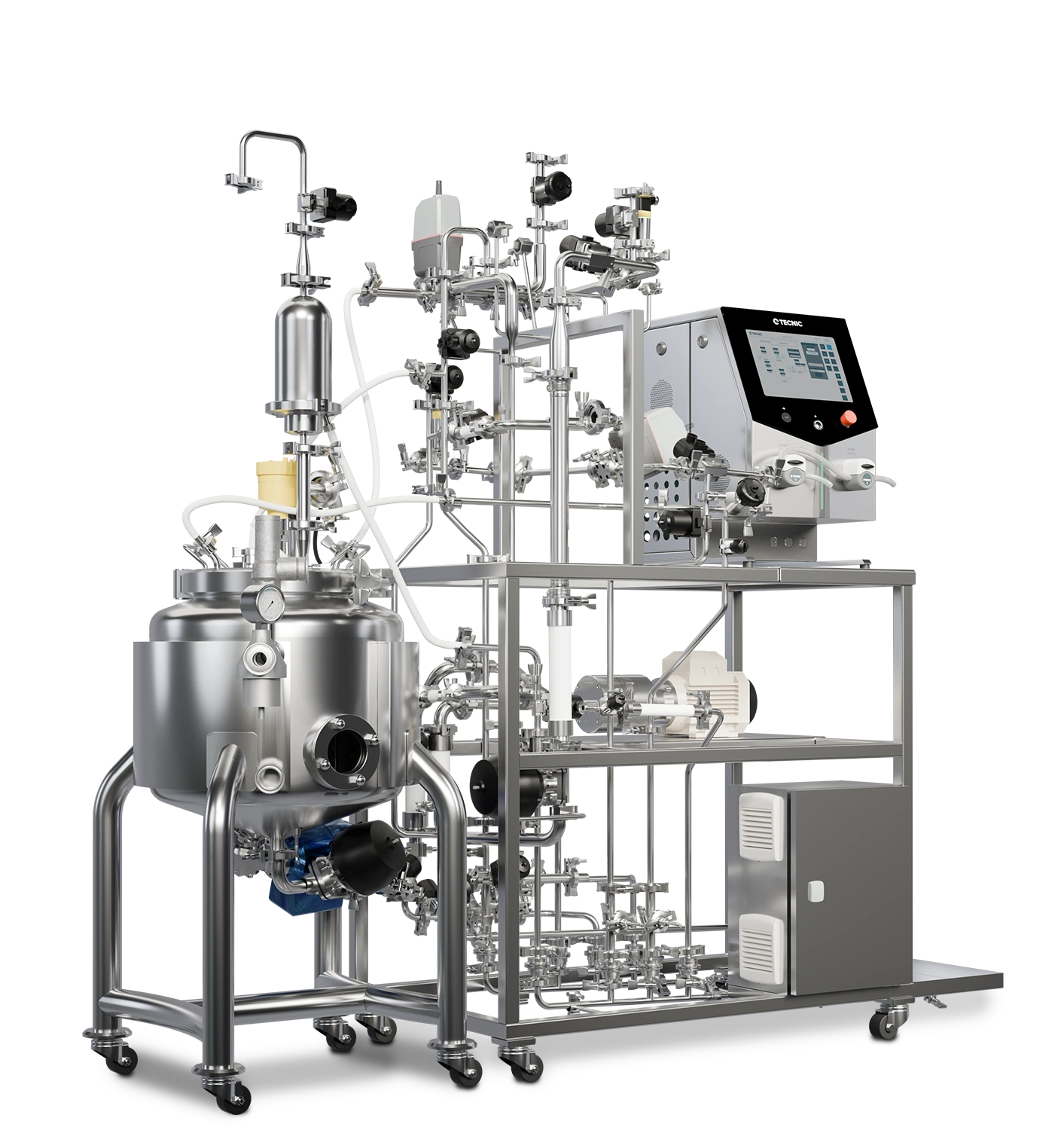
Useful for early-stage testing, screening and validation of environmental biotechnology workflows.
Process development context
Grey biotechnology still depends on turning biological potential into a reproducible and scalable process route.
Contact TECNIC
When environmental biotechnology projects need stronger process control and validation, direct technical discussion is more useful than broad theory alone.
This article works best when grey biotechnology is framed as both a remediation field and a resource-recovery field.
Frequently asked questions
What is grey biotechnology?
It is the branch of biotechnology focused on environmental applications such as remediation, restoration and waste recovery.
What is grey biotechnology used for?
It is used for bioremediation, phytoremediation, wastewater treatment, waste-to-energy processes, biosensors and bioleaching.
What is the difference between bioremediation and phytoremediation?
Bioremediation mainly uses microorganisms, while phytoremediation mainly uses plants to reduce or manage contaminants.
Why is grey biotechnology important?
Because it helps reduce pollution, restore ecosystems and recover value from waste through more biological and potentially more sustainable routes.
What is the biggest challenge in grey biotechnology?
One major challenge is that environmental conditions are highly variable, which makes large-scale biological performance harder to predict and control.
Exploring how environmental biotechnology connects with controlled process development?
Explore TECNIC’s bioprocess solutions or speak with our team to review the right setup for reproducible biological workflows and scale-up.