
Single-use technology is often judged too quickly from one angle only. Some focus only on plastic waste, while others focus only on the operational gains. The real environmental picture is more complex and should be analysed across the full process.
In bioprocessing, environmental impact is shaped not only by what is discarded, but also by what is saved: water, chemicals, steam, cleaning cycles, facility time and the energy needed to support repeated turnover.
Single-use technology does create disposable waste, but it can also reduce water consumption, cleaning chemicals, sterilisation demand and changeover burden. A serious environmental comparison needs to consider the whole workflow, not just one visible output.
Why the environmental debate around single-use matters
Single-use technology has become central in many bioprocess environments because it improves flexibility, shortens changeover time and reduces the operational burden linked to cleaning and sterilisation. At the same time, it raises obvious questions about waste, materials and disposal.
That tension is exactly why the discussion matters. The environmental case cannot be understood honestly if it is reduced to a simple slogan either for or against disposables.
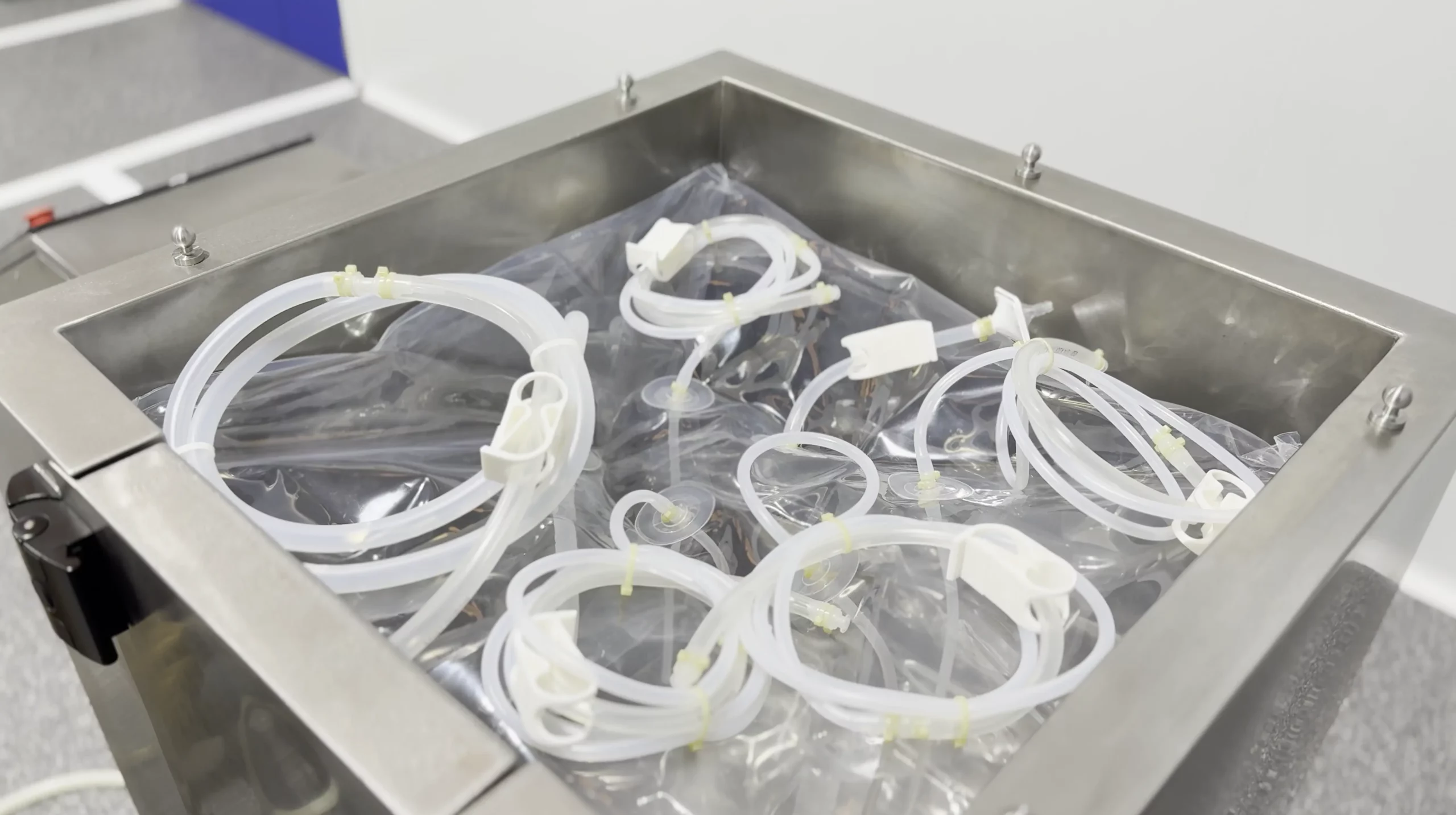
The right question is not whether single-use has impact, but where that impact appears and what it replaces.
Where single-use can reduce environmental impact
Single-use systems can lower impact in areas that are easy to overlook if the analysis focuses only on discarded materials. In many workflows, disposables reduce the need for repeated cleaning, steam sterilisation and the use of water, caustics and detergents.
Single-use paths can reduce the water demand linked to CIP or repeated vessel washing.
Cleaning agents, sanitising chemicals and related consumables may be used less often.
Reduced sterilisation burden can lower utility demand in some process environments.
In practice, this is one reason single-use becomes especially attractive in multiproduct and fast-turnover facilities. Environmental impact is not only about what leaves the site as waste, but also about what the facility avoids consuming every day.
Where single-use clearly adds environmental impact
The downside is also real. Single-use systems depend on disposable plastics, multilayer films, tubing sets and accessories that are not reused in the same way as stainless or glass-based systems. That means more solid waste and more dependence on material sourcing, conversion and disposal routes.
Single-use burden
Higher dependence on consumables, packaging, transport of disposable parts and waste treatment after use.
Reusable system burden
Higher dependence on water, cleaning agents, energy, sterilisation cycles and longer operational turnover.
Single-use often shifts the environmental load from utilities and cleaning toward materials and disposal.
Why lifecycle thinking matters more than simple assumptions
A realistic environmental comparison should include the whole lifecycle of the process. That means raw materials, manufacturing of the consumable, transport, operation at the site, cleaning avoided, utilities consumed and final disposal.
Without that broader view, the analysis becomes misleading. A process may generate more visible waste while still reducing total operational load in another area, or the opposite may happen.
What bioprocess teams should check before making claims about sustainability
Sustainability claims become more credible when they are tied to real process data rather than assumptions.
How TECNIC fits this single-use workflow
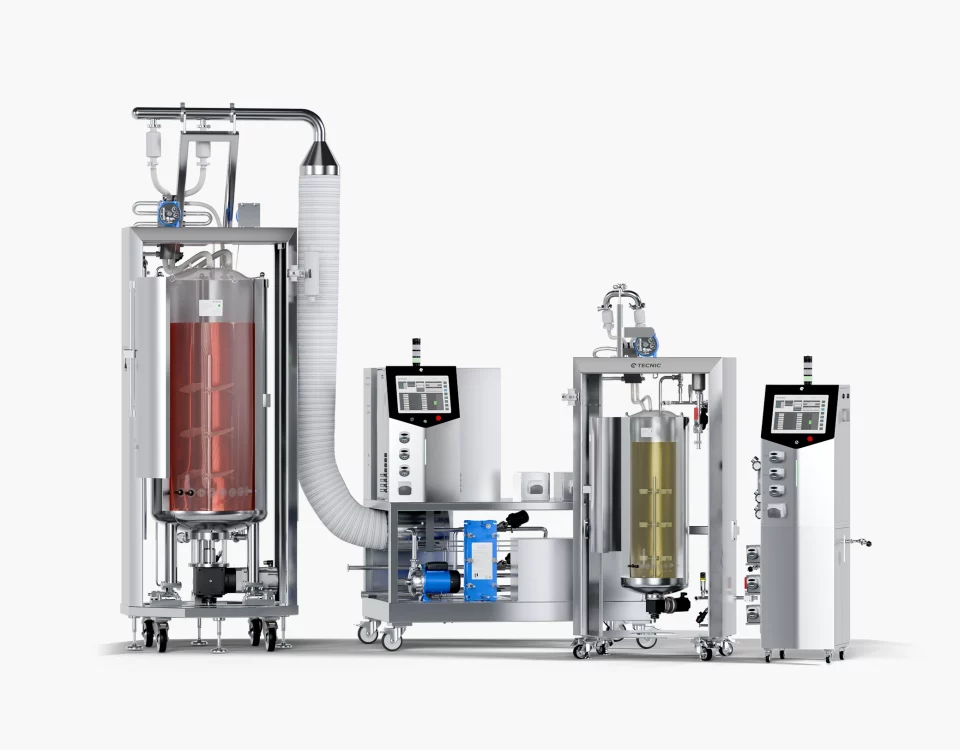
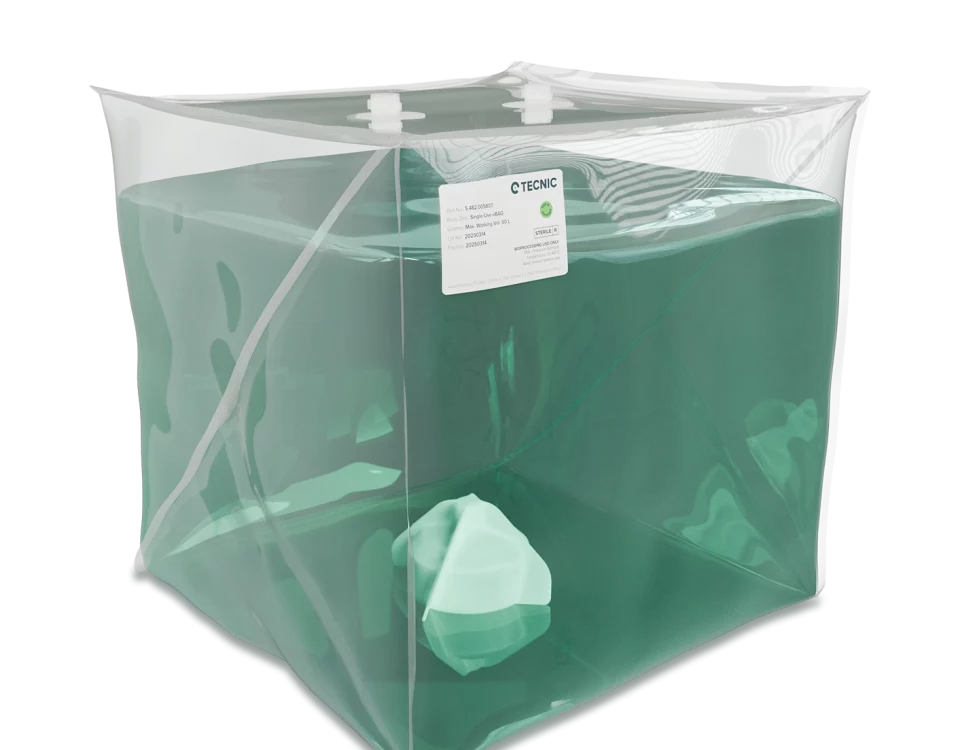
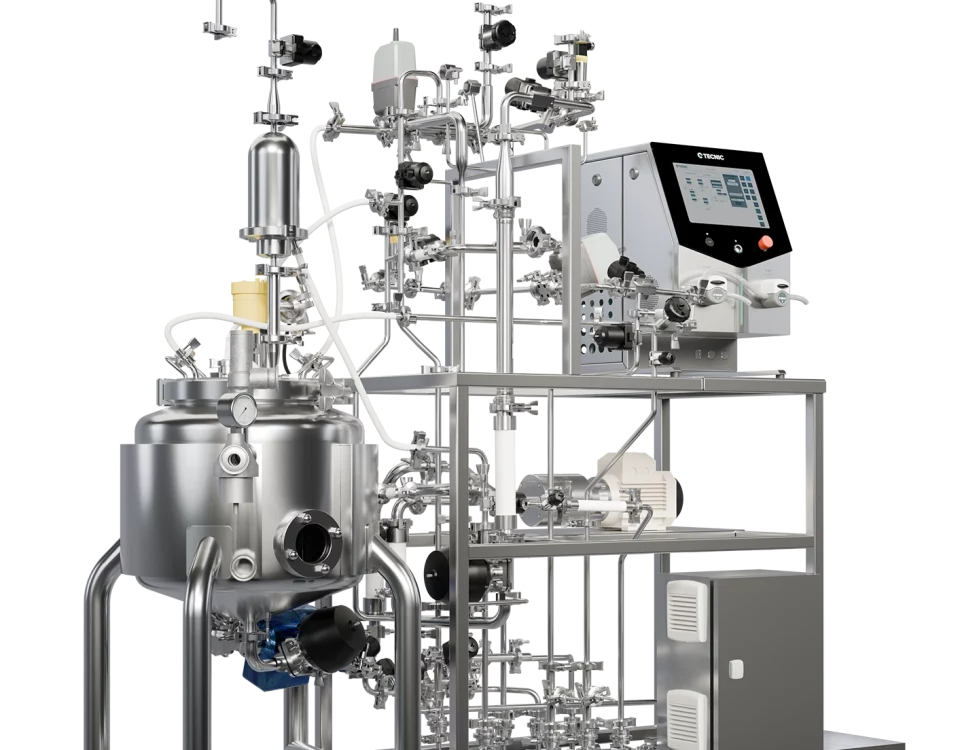
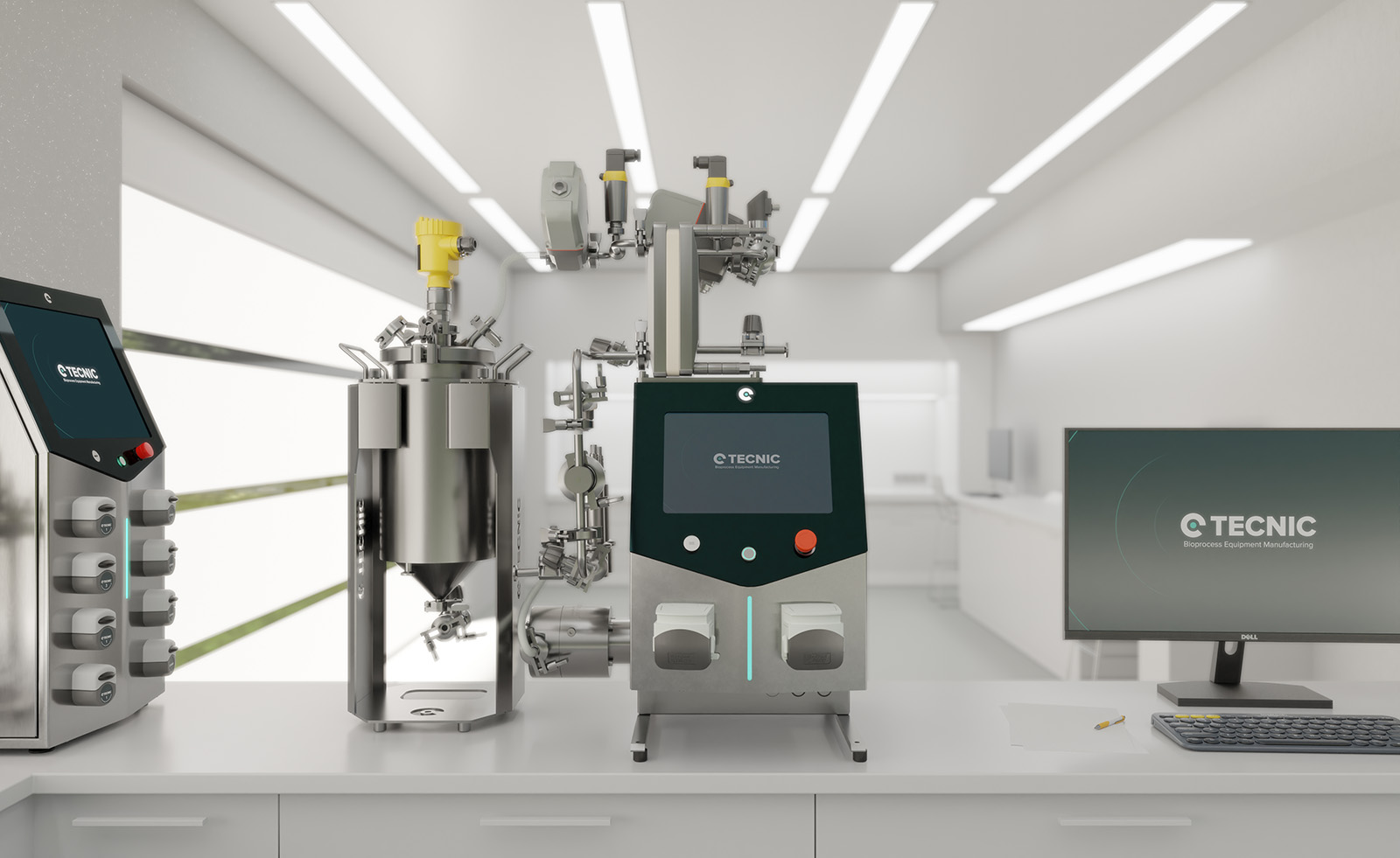
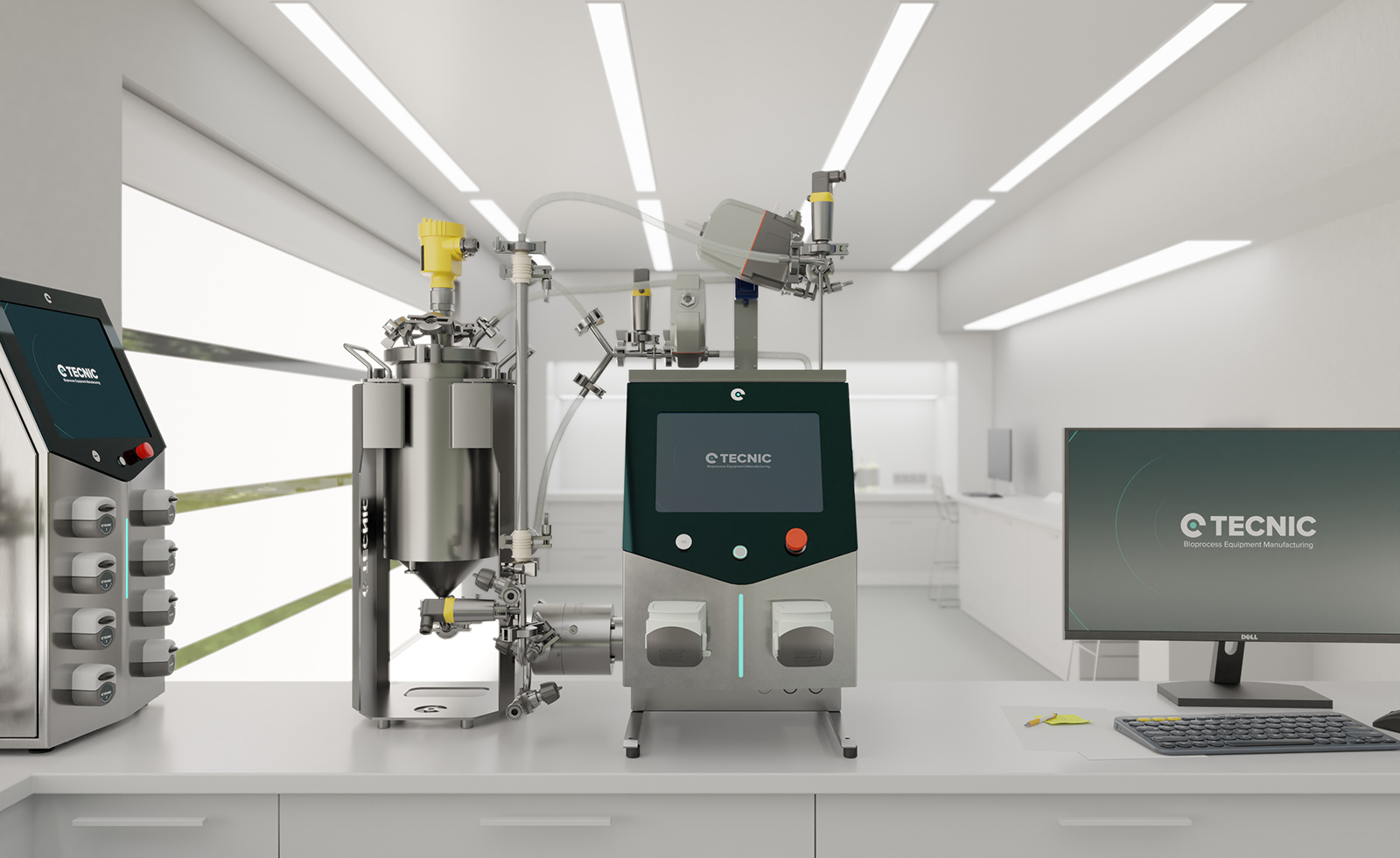
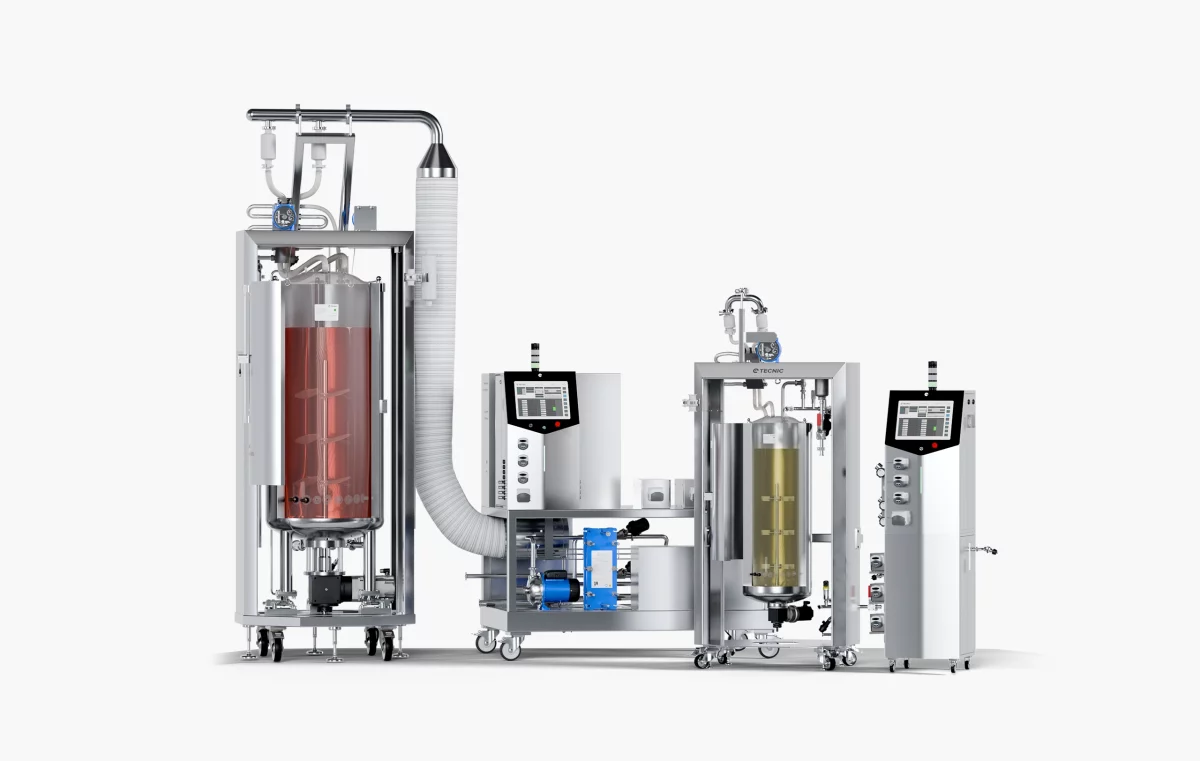
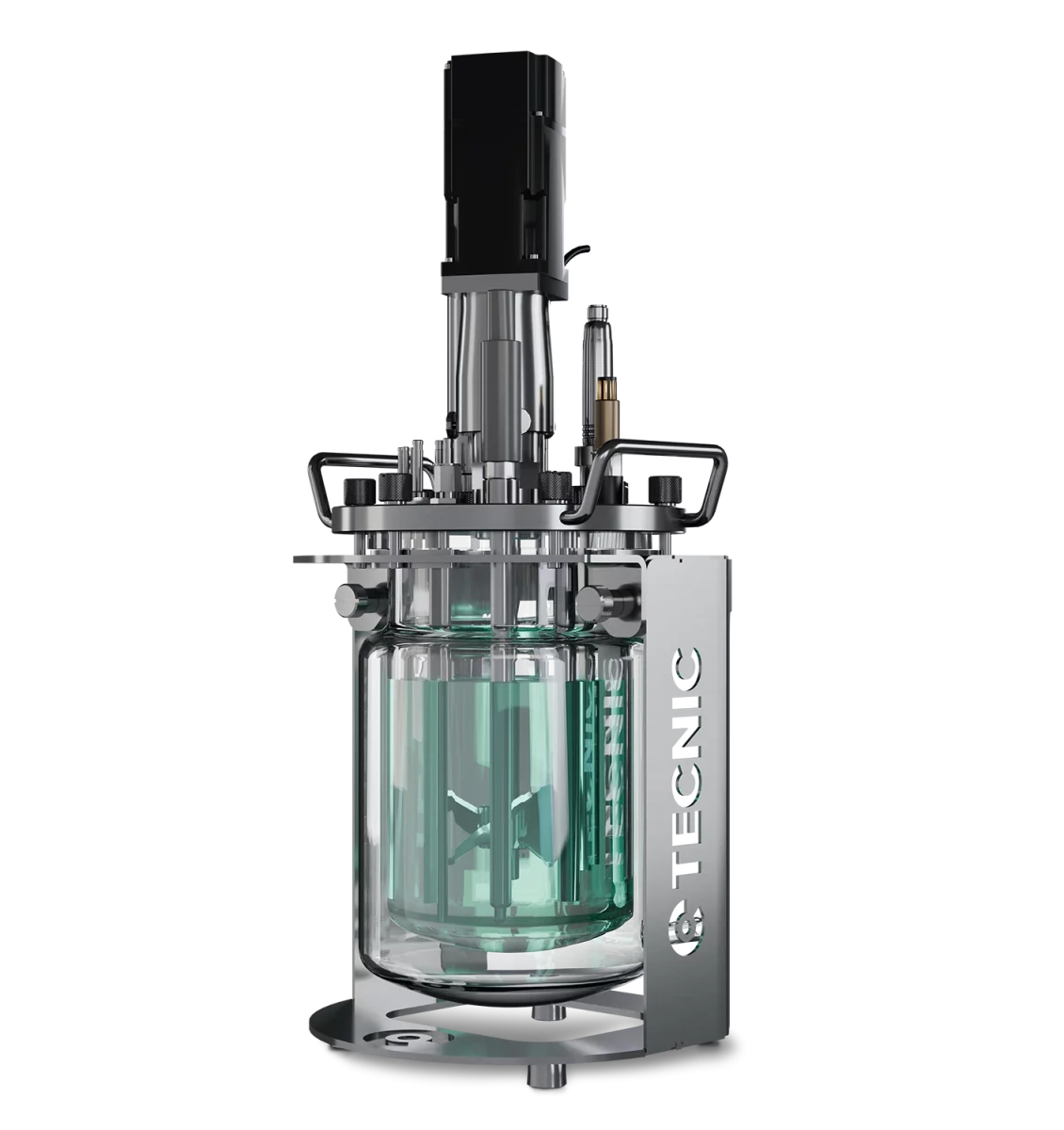
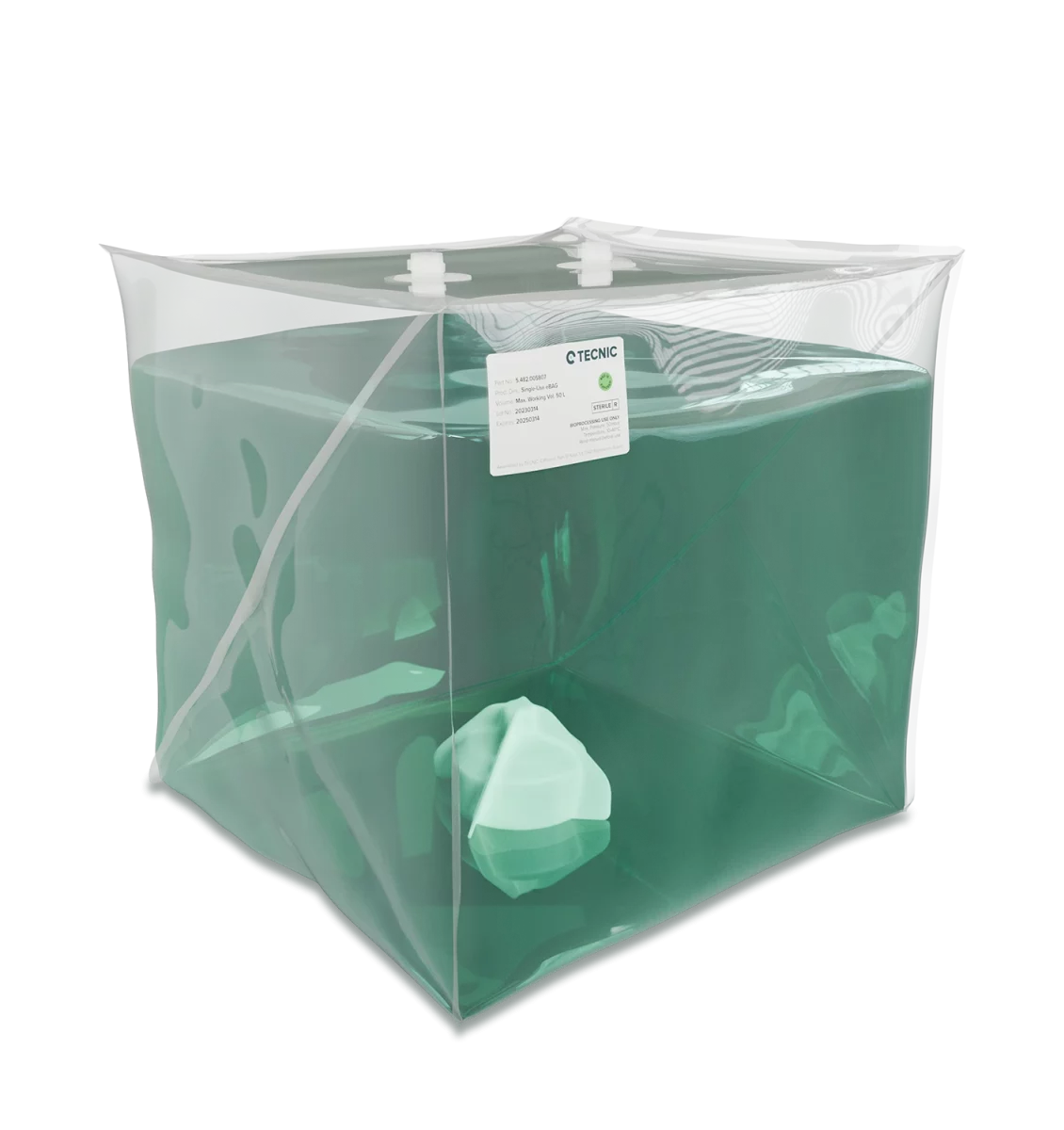
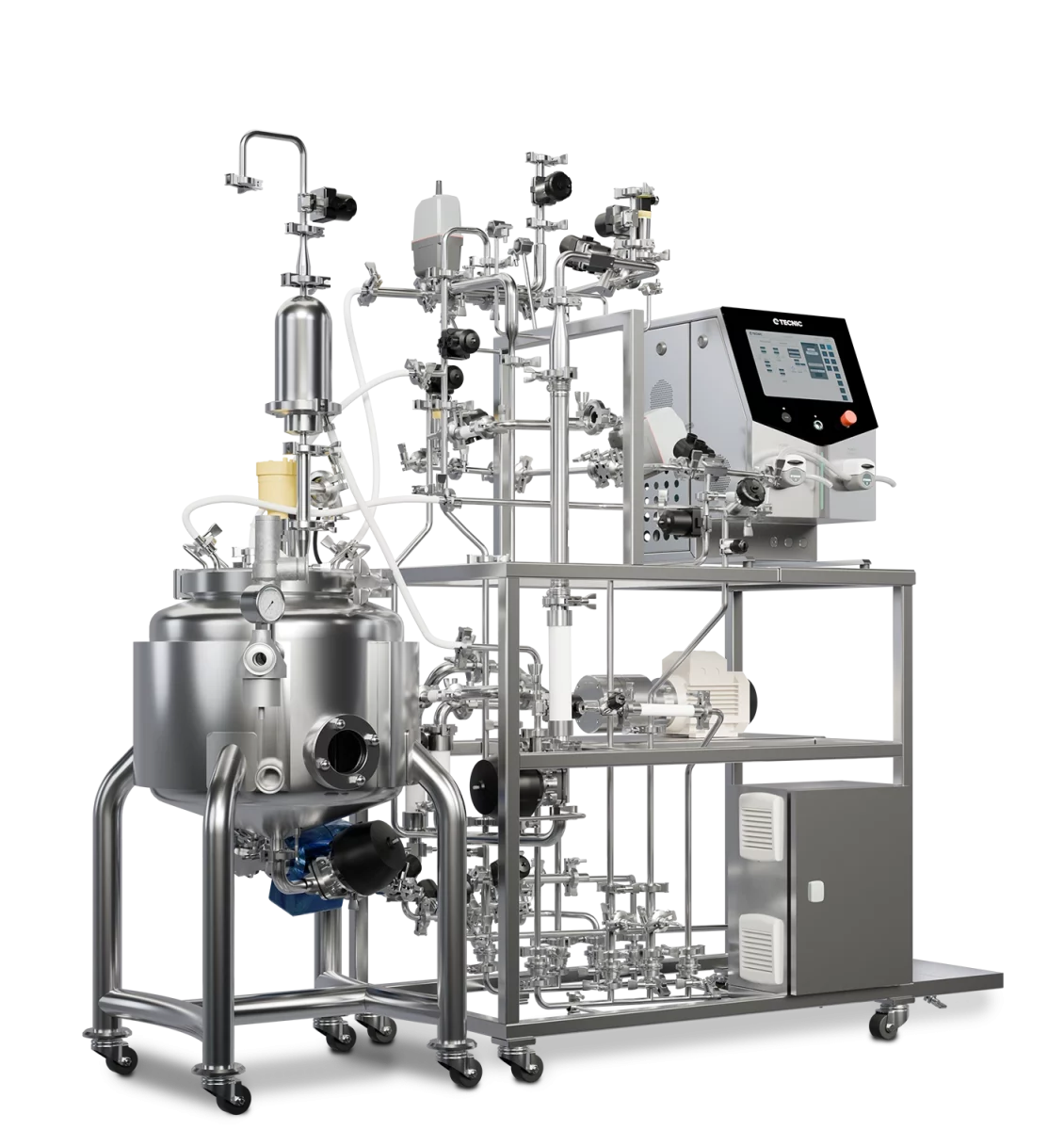
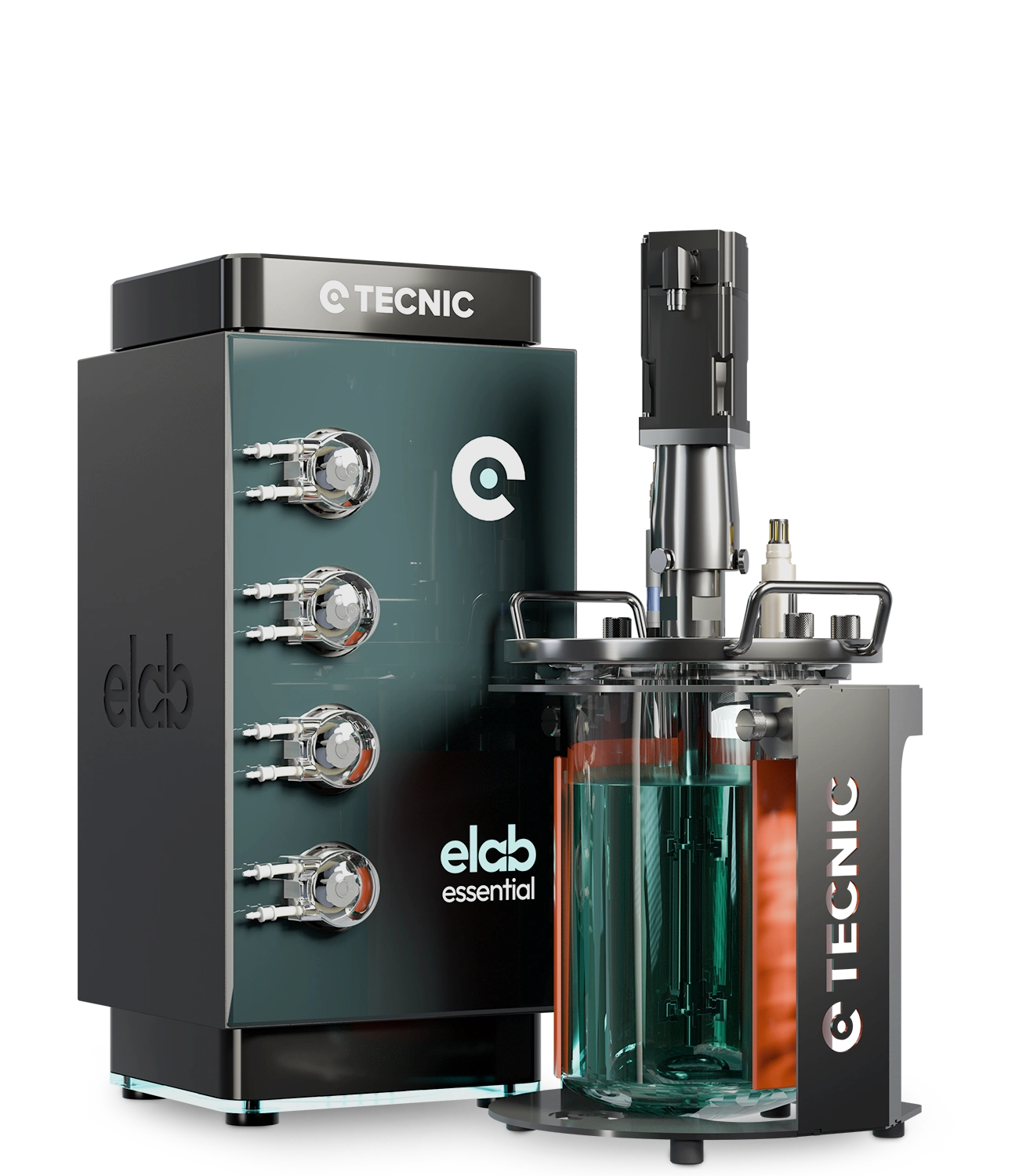
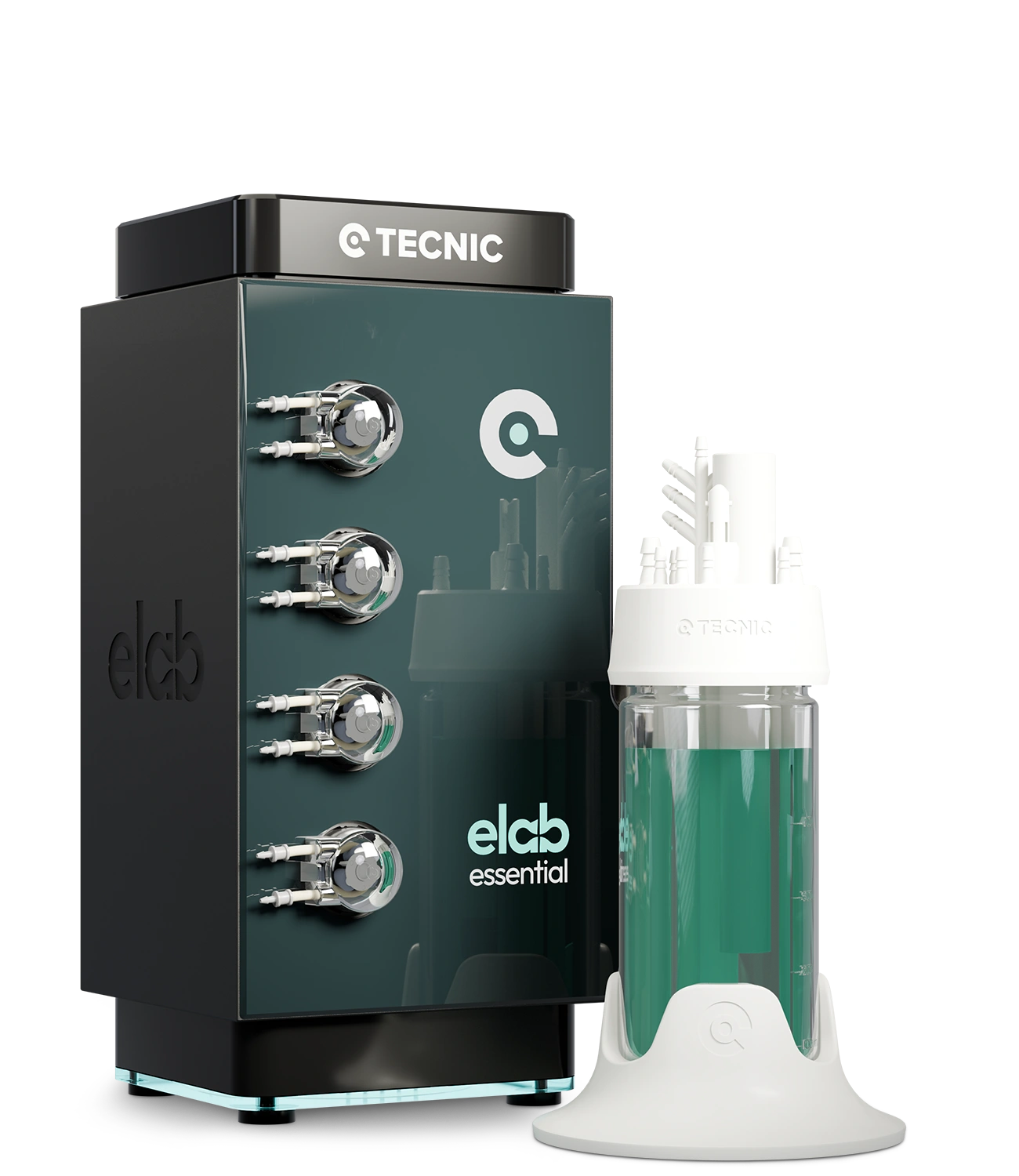
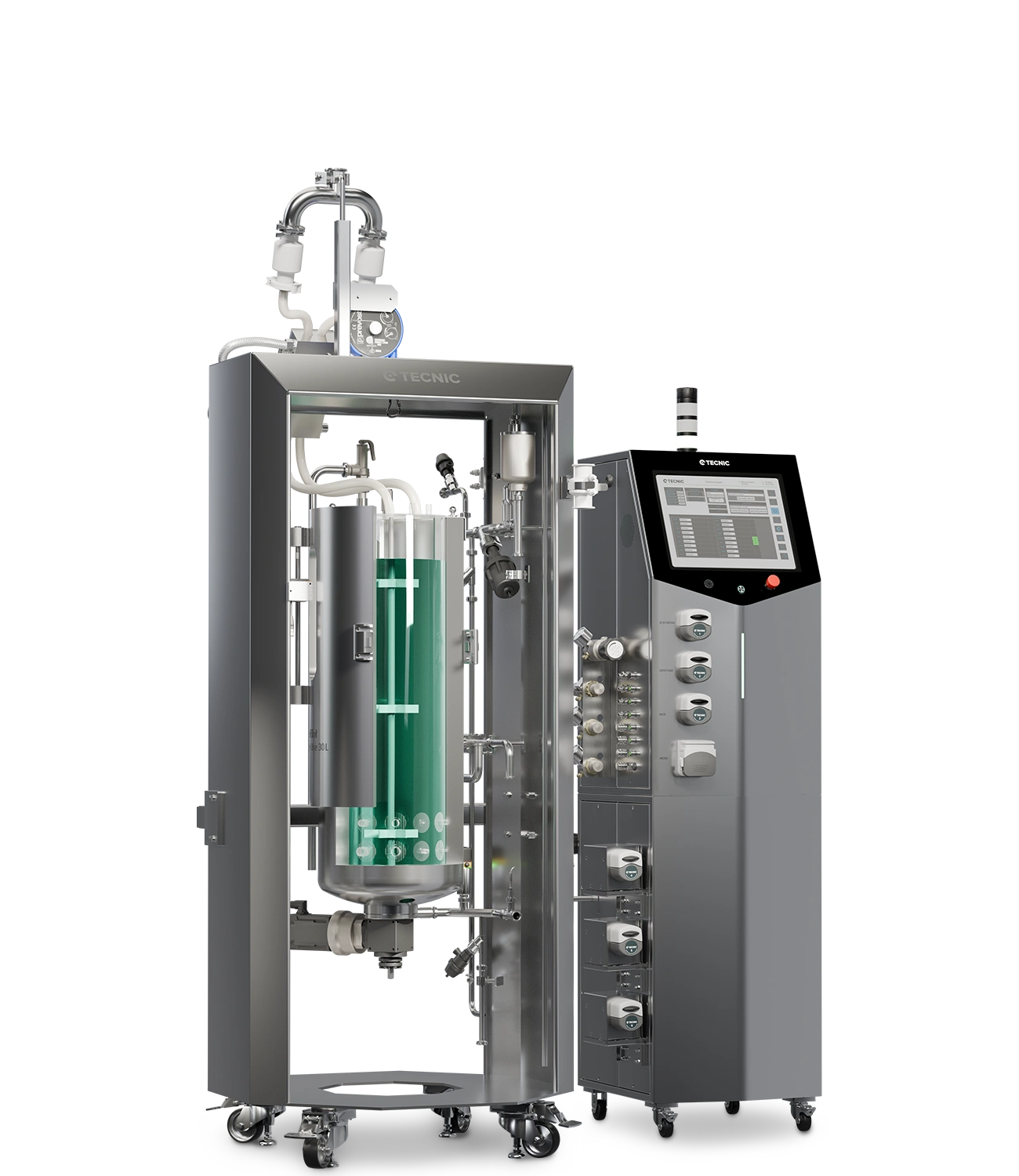
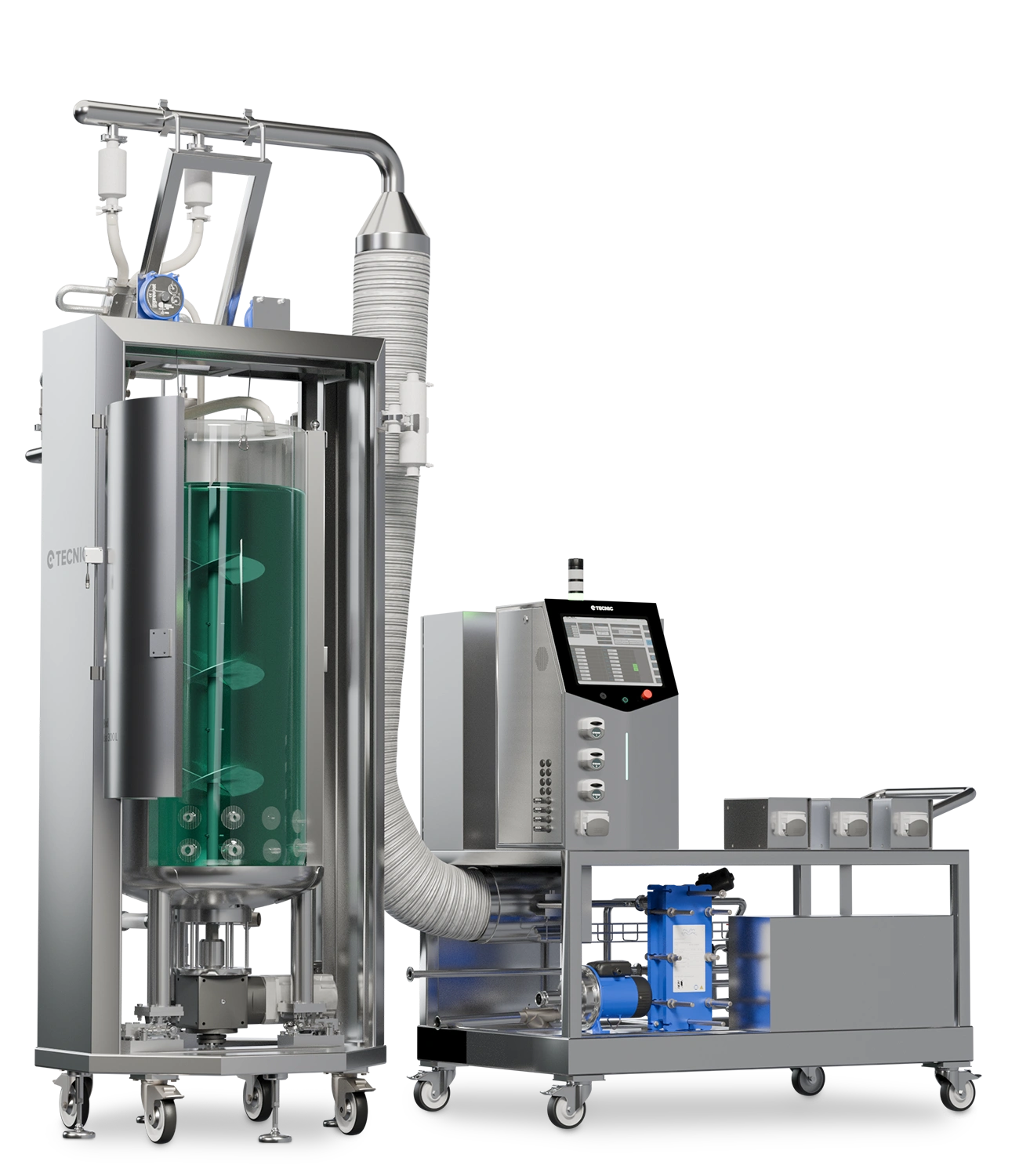
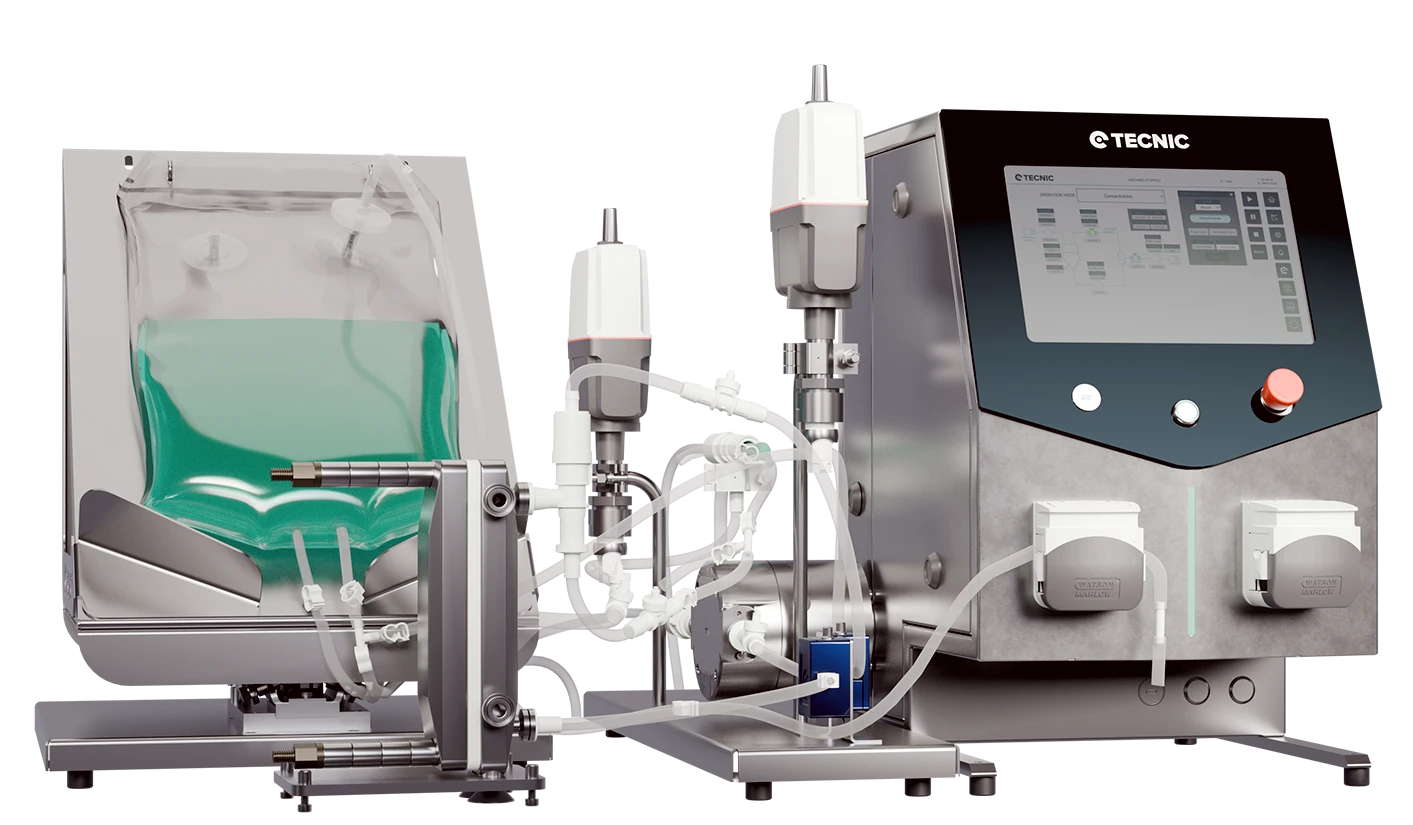
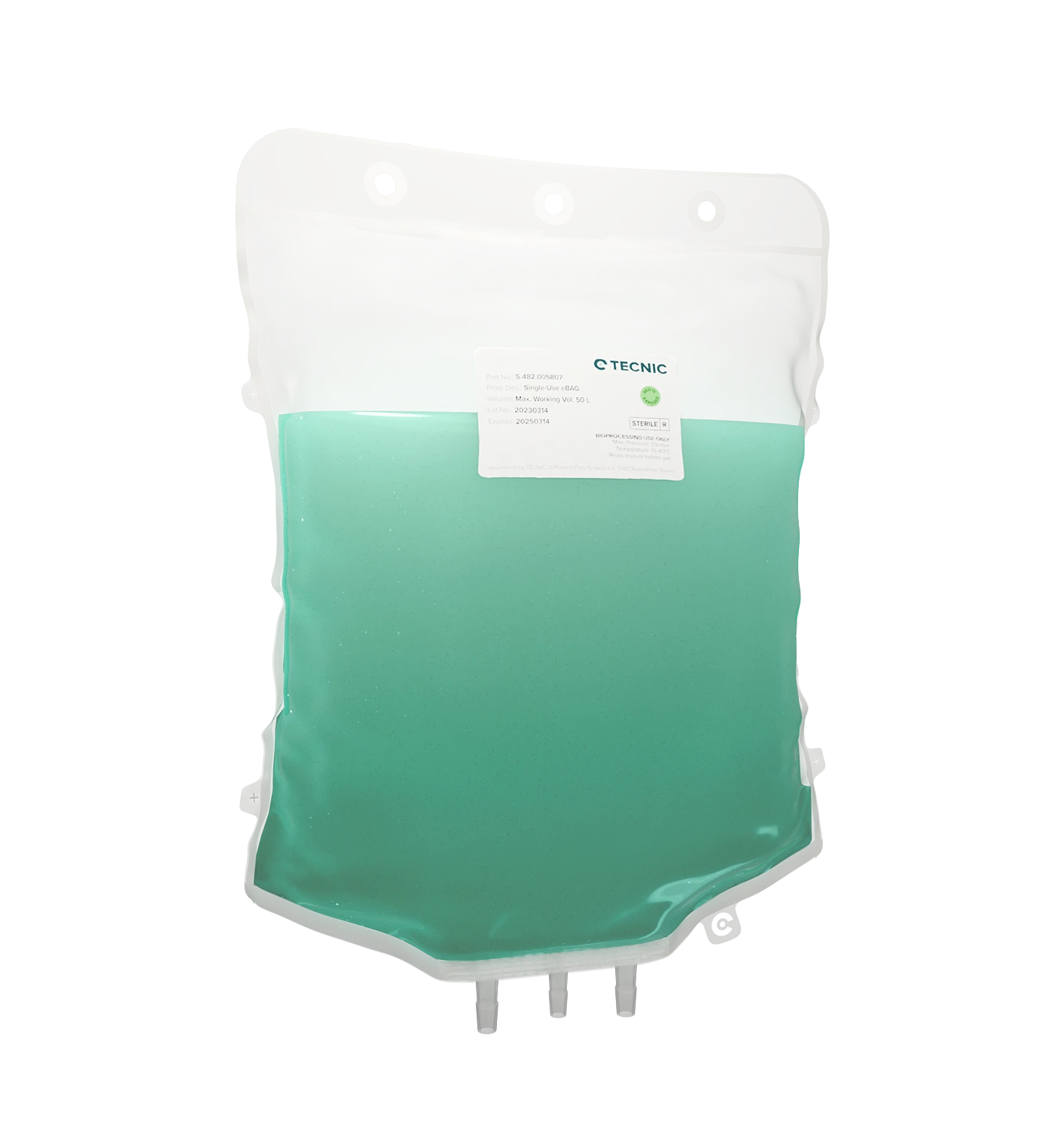
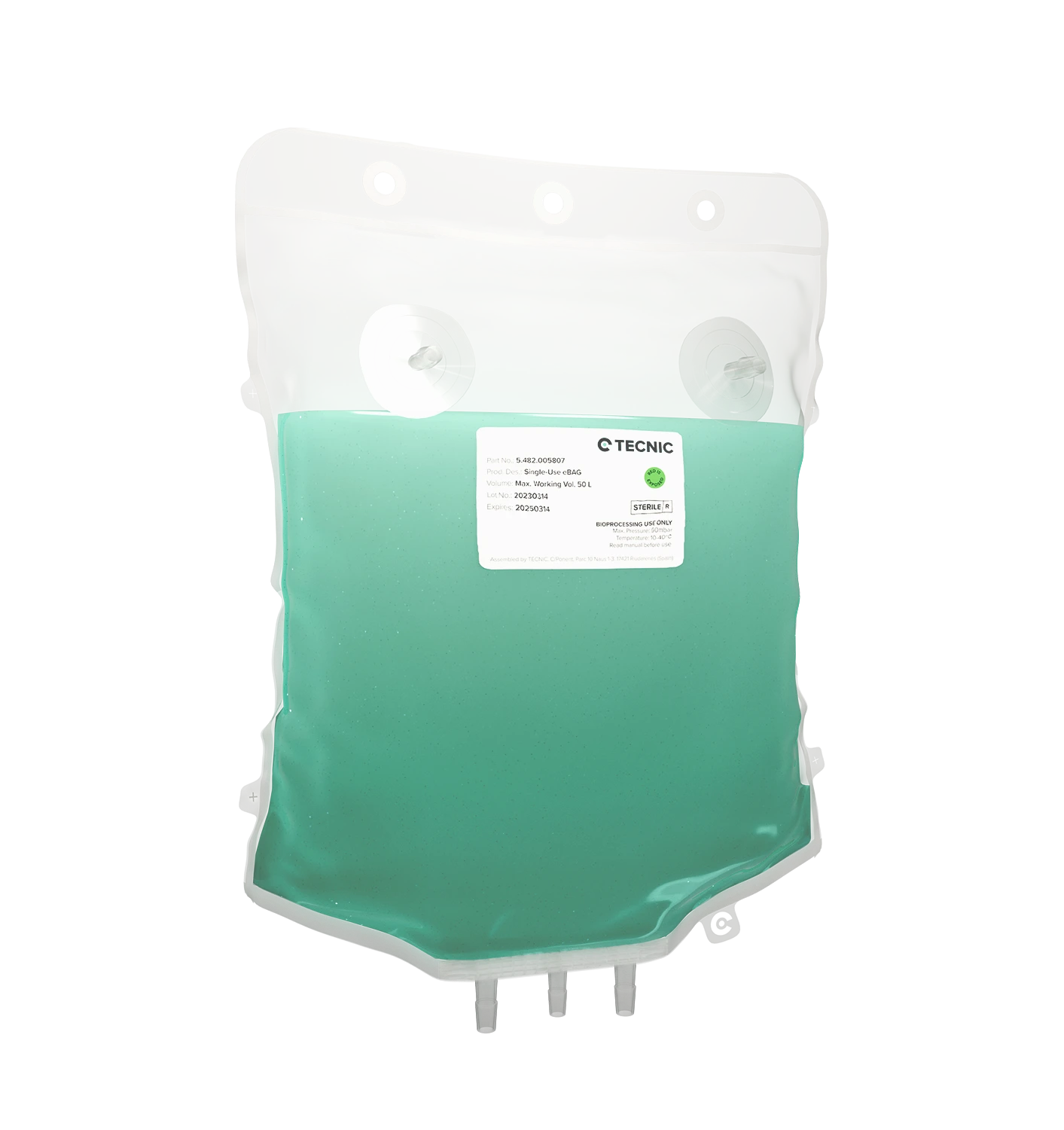
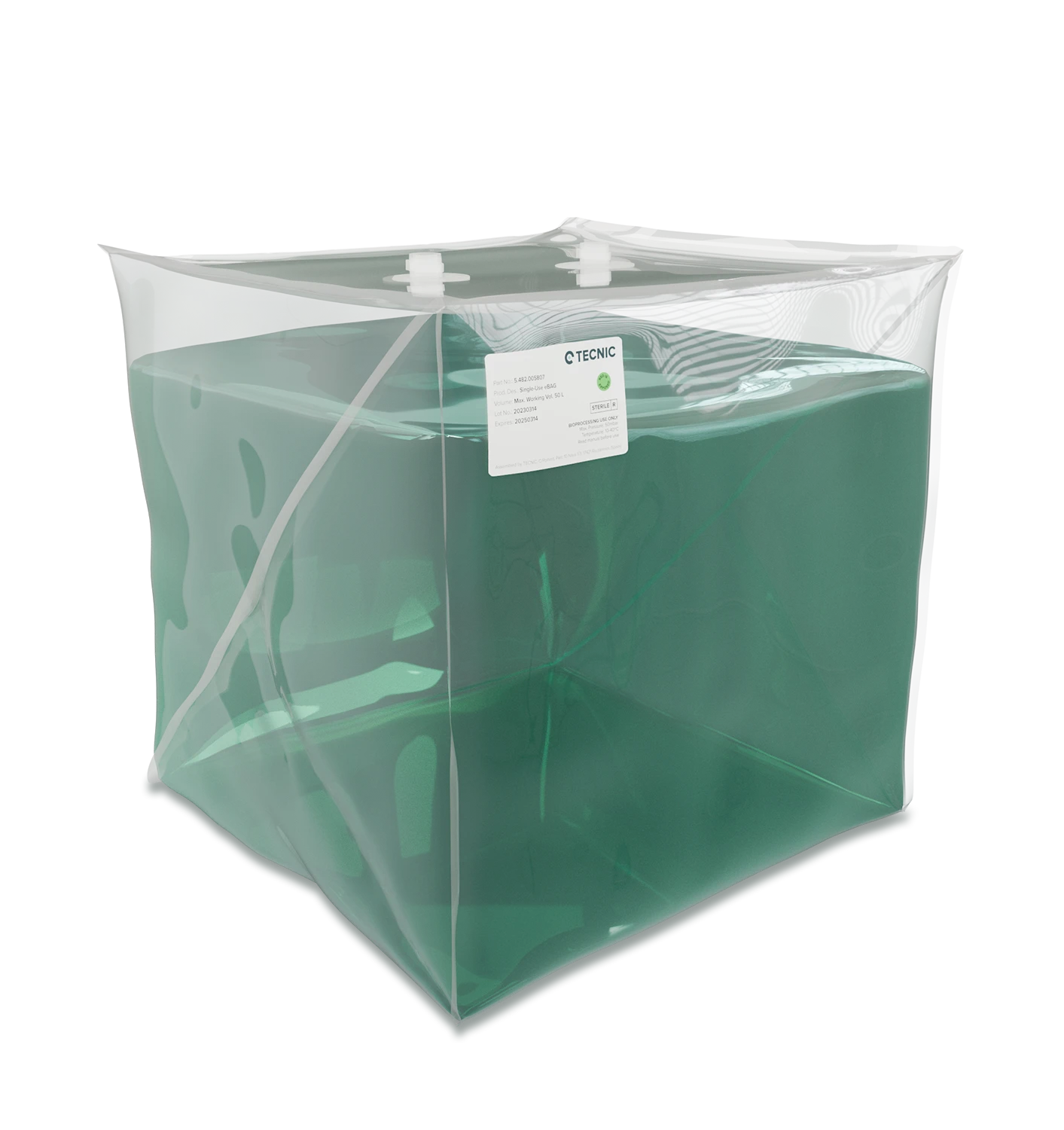
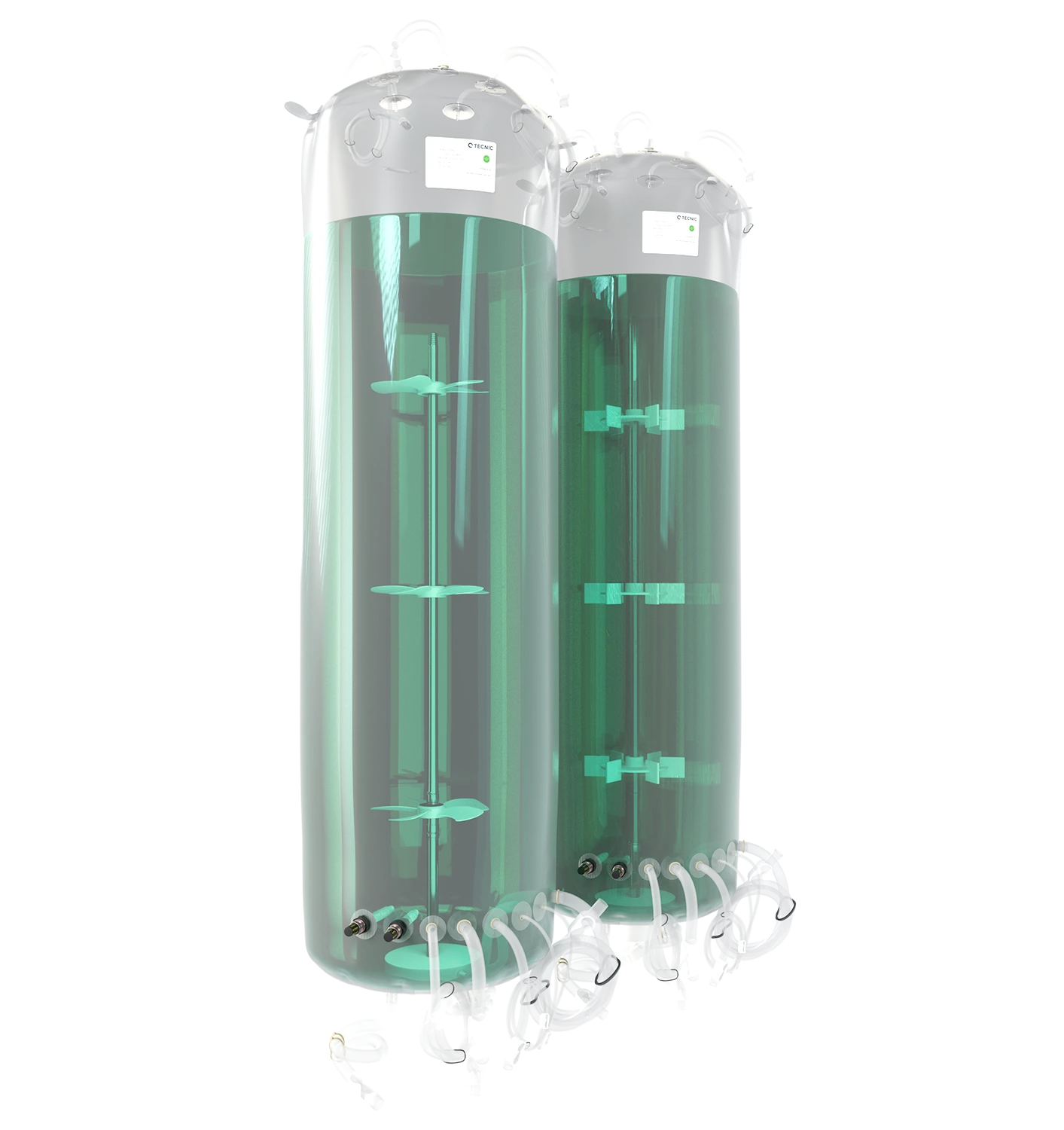
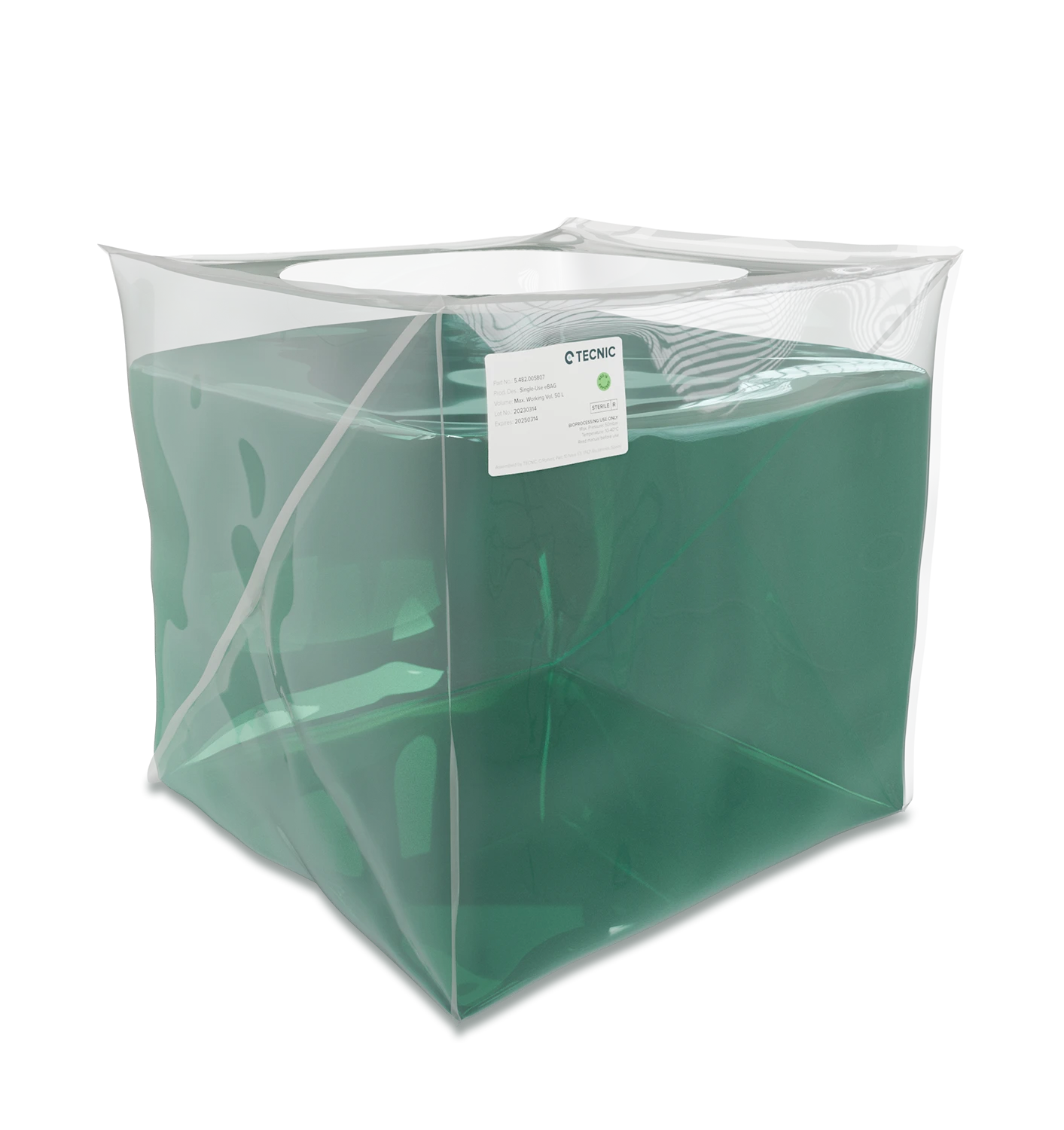
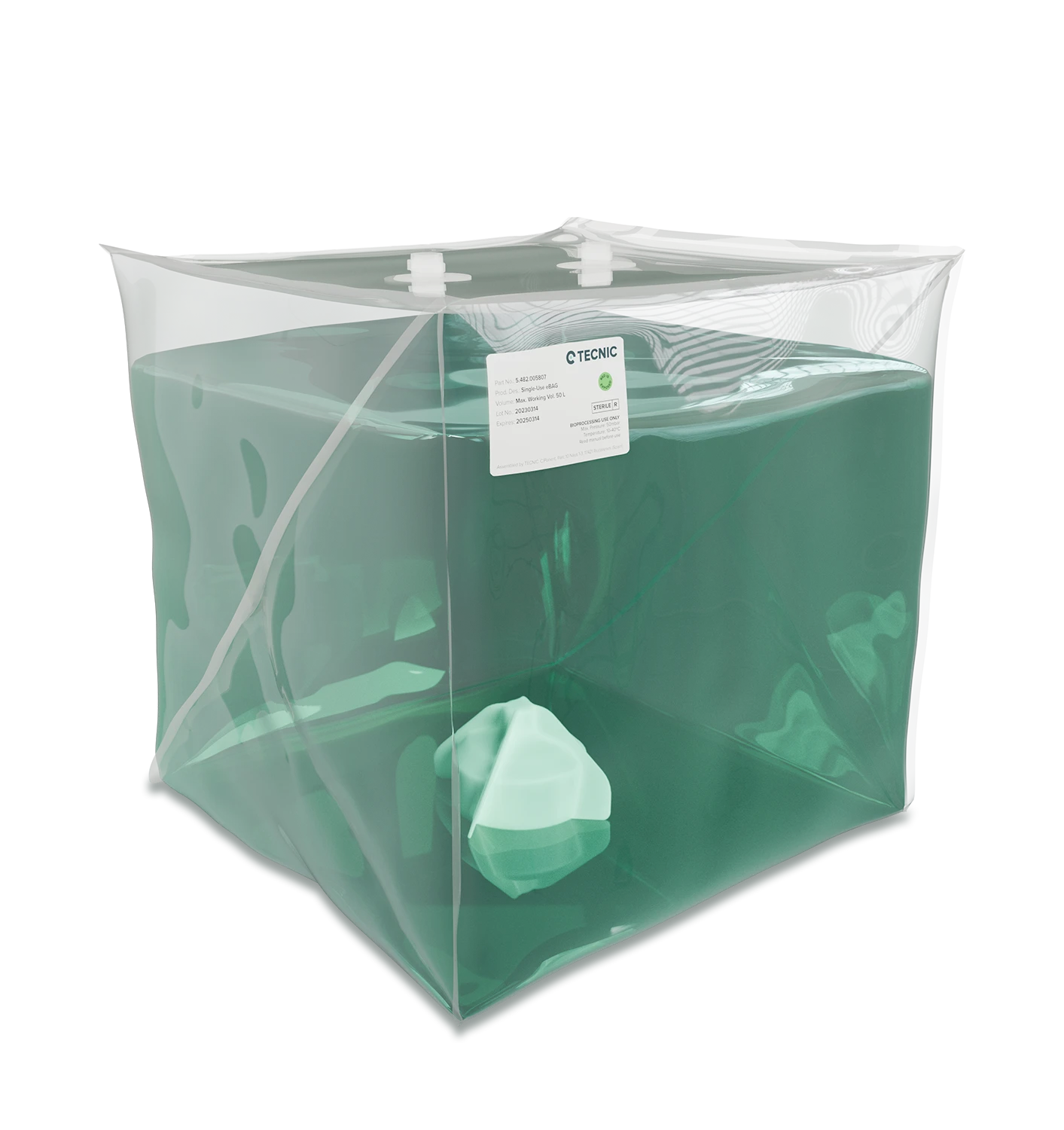
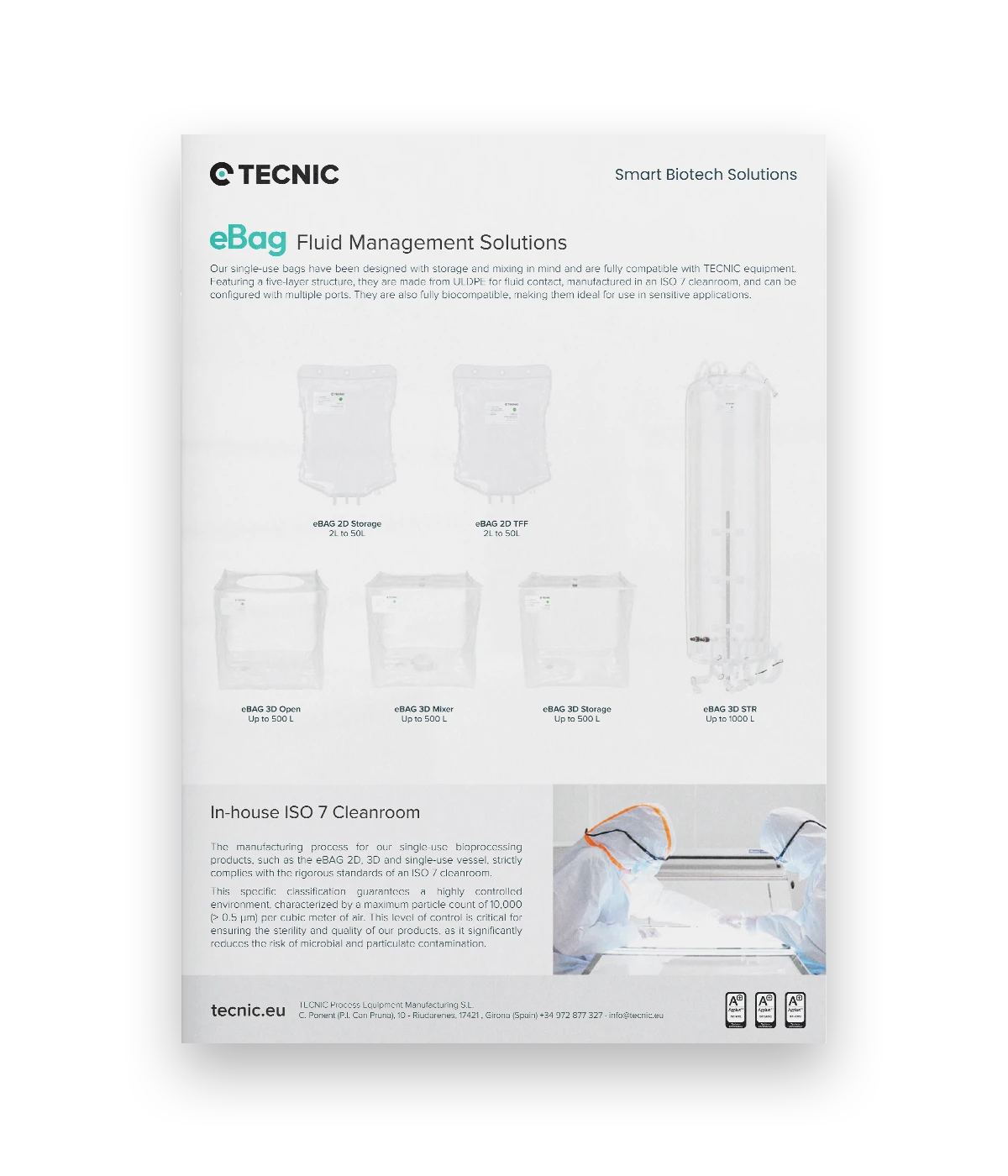
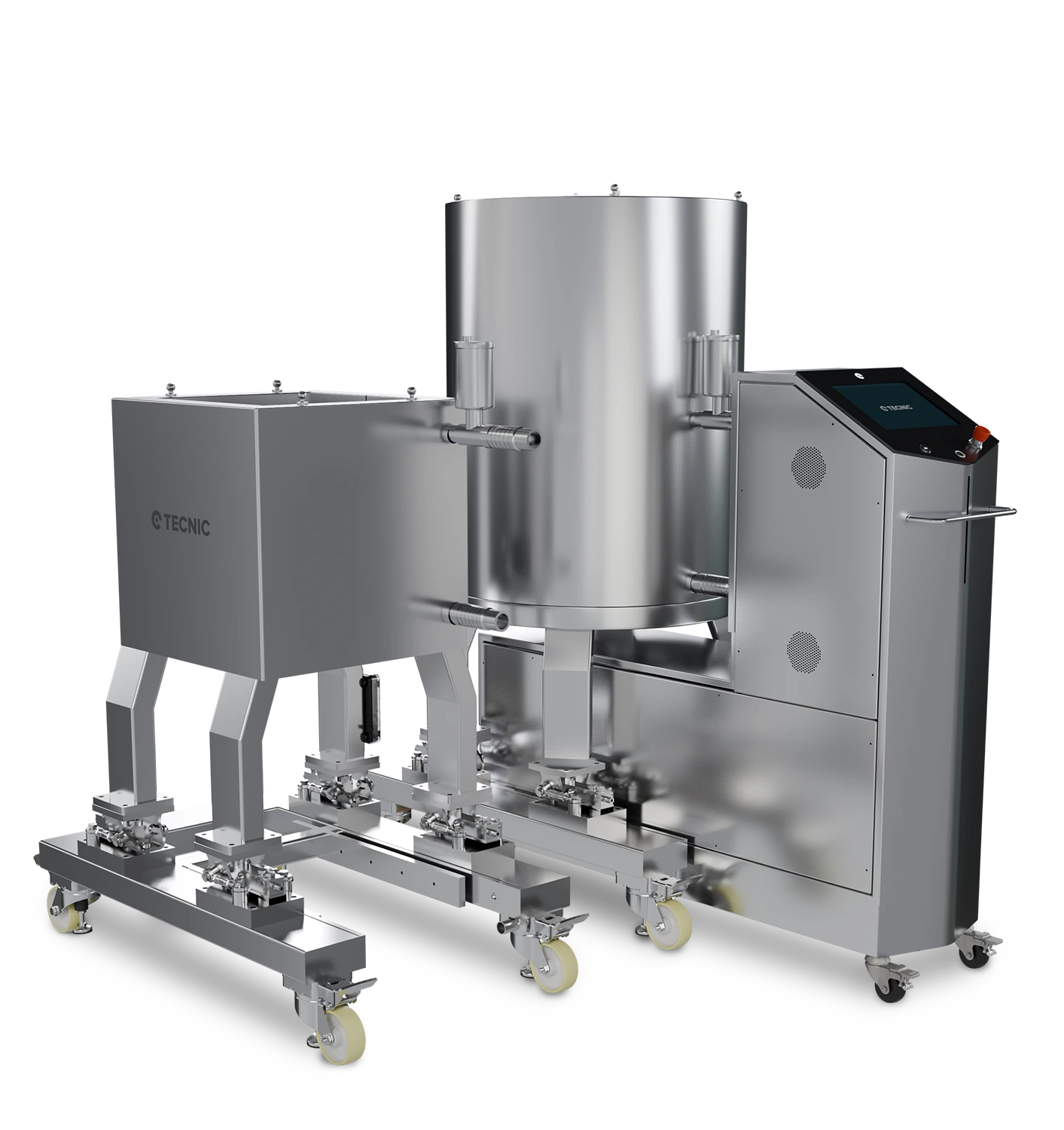
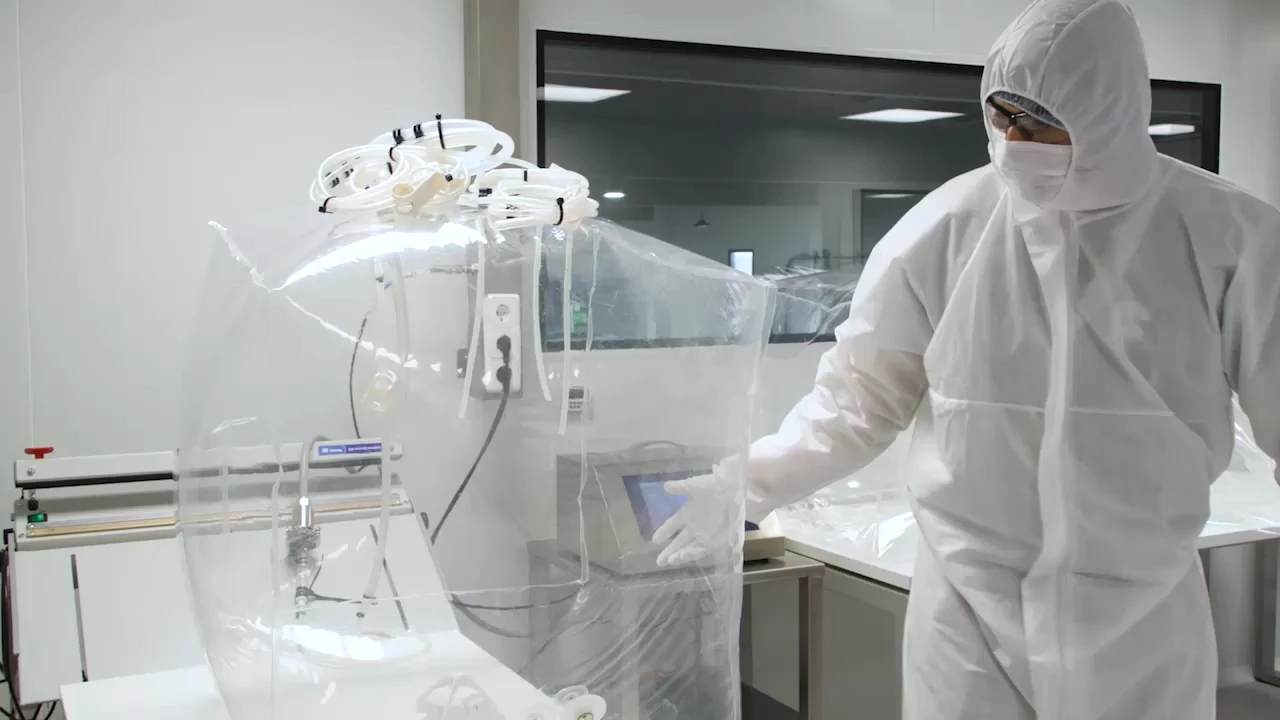
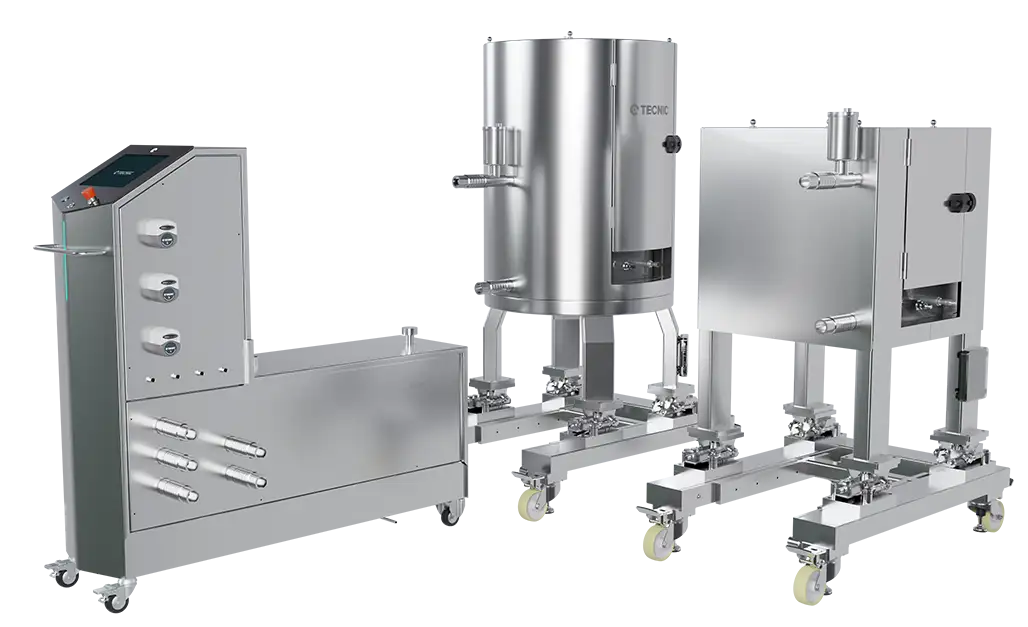
TECNIC’s single-use portfolio makes this discussion practical rather than abstract. Bags, single-use mixing solutions, single-use bioreactors and TFF systems all sit inside the same broader question: how much flexibility, sterility and operational speed the process needs, and what trade-offs the facility is willing to accept.
Single-use supplies
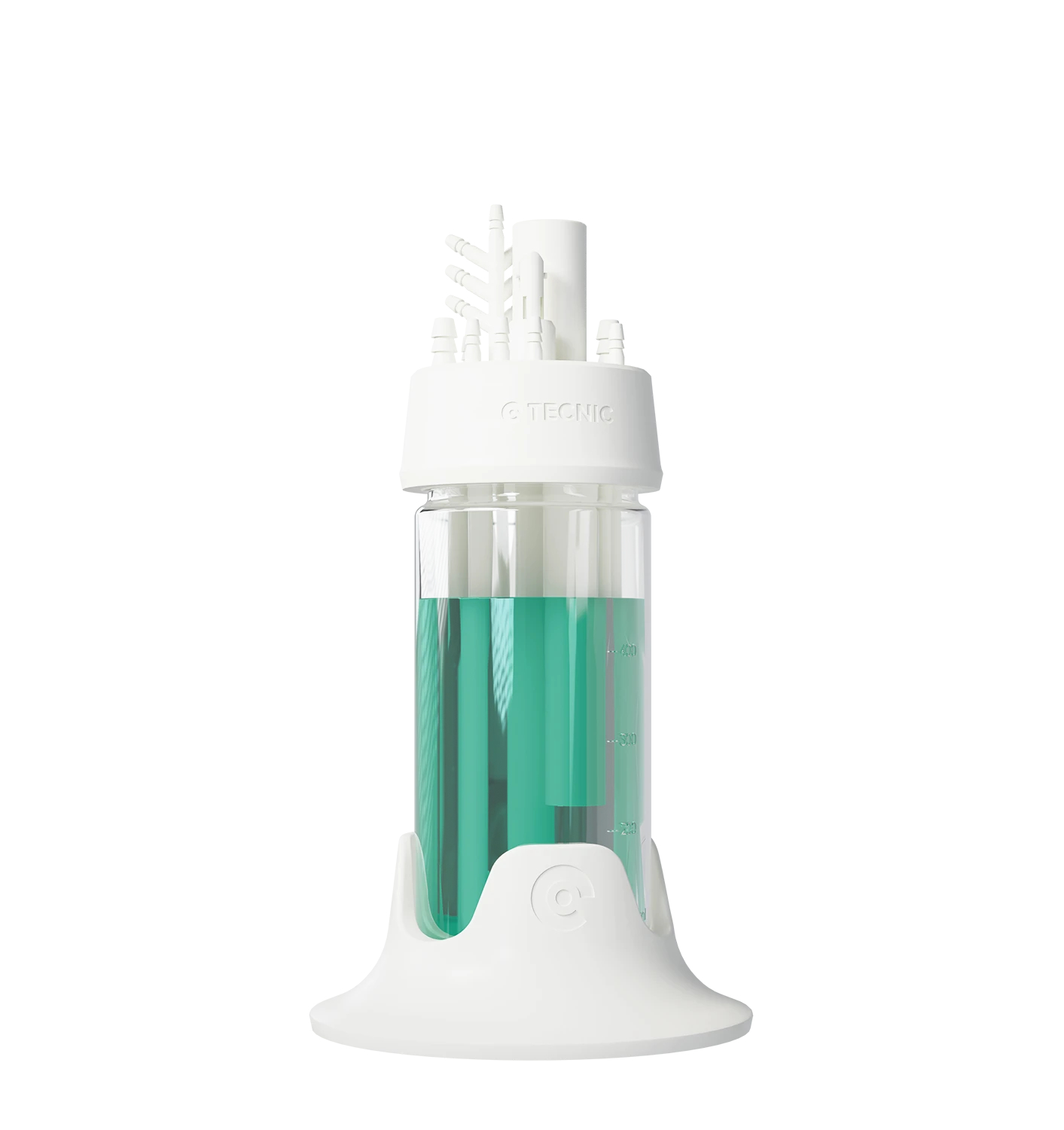
A natural starting point for reviewing how consumables fit the process and where single-use logic creates operational value.
Single-use mixer
Useful for understanding how single-use philosophy extends beyond storage into active processing steps.
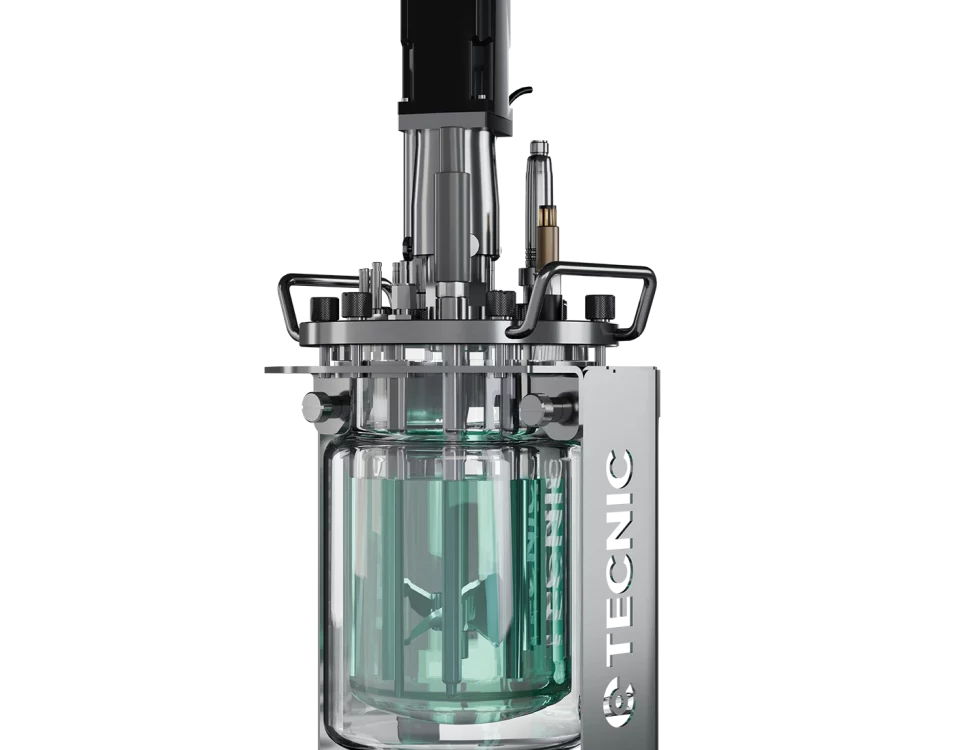
Single-use bioreactors
Relevant where sterile cultivation, flexibility and reduced turnaround burden are central process priorities.
Contact TECNIC
Sustainability decisions usually depend on process specifics, so a direct technical discussion often makes more sense than a generic assumption.
This section stays balanced on purpose. The article works better when it shows the operational reality of single-use instead of pretending the answer is universal.
Frequently asked questions
Is single-use technology always worse for the environment?
Not necessarily. It creates more disposable waste, but it can also reduce water, chemical and steam demand depending on the process.
Why is the environmental comparison so complex?
Because the total impact depends on the full process, including utilities, cleaning, consumables, transport and disposal, not just one visible factor.
What is the main environmental strength of single-use systems?
They can reduce cleaning and sterilisation burden, especially in fast-turnover or multiproduct environments.
What is the main environmental weakness of single-use systems?
Greater dependence on disposable materials and end-of-life waste handling.
How should a company compare single-use and reusable systems?
By reviewing the full lifecycle and the actual process context rather than assuming one route is always better.
Reviewing whether single-use is the right process route for your facility?
Explore TECNIC’s single-use range or speak with our team to review the right balance between flexibility, sterility and operational impact.